
Heat-Protection Private Label: Prepare a Sample Brief and Evidence Budget
Prepare a heat-protection private-label brief with sample identity, use stage, claim scope and budget. Compare existing reports before commissioning more work.
JunChun Beauty Editorial Team · Updated 23 October 2026
Direct answer: A useful thermal-care brief identifies the exact formula, application amount, hair substrate, heat source and comparison. “Test to 230°C” alone leaves too many variables to determine what the result would mean.
Define the claim question
Decide what the label is intended to communicate: performance under a particular tool routine, a measured damage endpoint or another substantiated benefit. Tell the test provider which statement you want to assess before selecting the method.
Preserve the essential conditions
Ask for controlled temperature, contact conditions, treatment amount, preparation and comparator details. Include the intended number of applications or heat exposures where relevant. These are method-design questions, not a ready-made protocol with guaranteed outcomes.
Review the usable conclusion
The finished report should identify the sample and describe the measured result and limitations. Match the label to that conclusion. A successful result under one defined procedure should not be expanded into unlimited protection for every user and styling tool.
Send a one-page request with a real customer example
Describe the buyer you serve and the problem they report: for example, a salon client likes the smooth finish but finds the lengths heavy after blow-drying. Include the approved sample code, pack type, target market and the styling stage you want to address. A focused brief helps JunChun compare the current route with the exact requested change instead of developing a generic product with a larger number on the front.
Separate the three evidence questions
List sensory performance, thermal performance and market documentation as separate questions. A stylist can report ease of combing and dry feel. A relevant tress assessment can address a defined damage endpoint. The responsible market specialist reviews the intended wording and product documents. These activities complement each other; decide which answers are already available for the selected formula and which additional work your specific launch needs.
Keep the budget attached to the decision
Ask for available matching reports before requesting additional studies. If extra work is needed, request its scope, sample requirement, fee and deliverable separately from the production quotation. Avoid paying for an assay without knowing what decision its result will support. A report identifying the finished sample and studied routine is more useful to a buyer than a brochure describing a different ingredient, concentration or product.
Approve a usable claim and a usable pack together
After evidence review, check the exact label wording, how much product the pump delivers and the proposed consumer instructions. K18’s current product page links its heat claims to stated testing conditions source; that is a product-specific example of connecting a statement to its scope. For a JunChun project, retain the approved formula reference and corresponding report with the artwork so future reorders use the same agreed basis.
A practical buying decision
| Decision point | What to request or compare |
|---|---|
| Sample identity | Record formula version and preparation. |
| Exposure | Specify the intended tool and conditions. |
| Conclusion | Use wording supported by the actual result. |
JunChun product and sample route
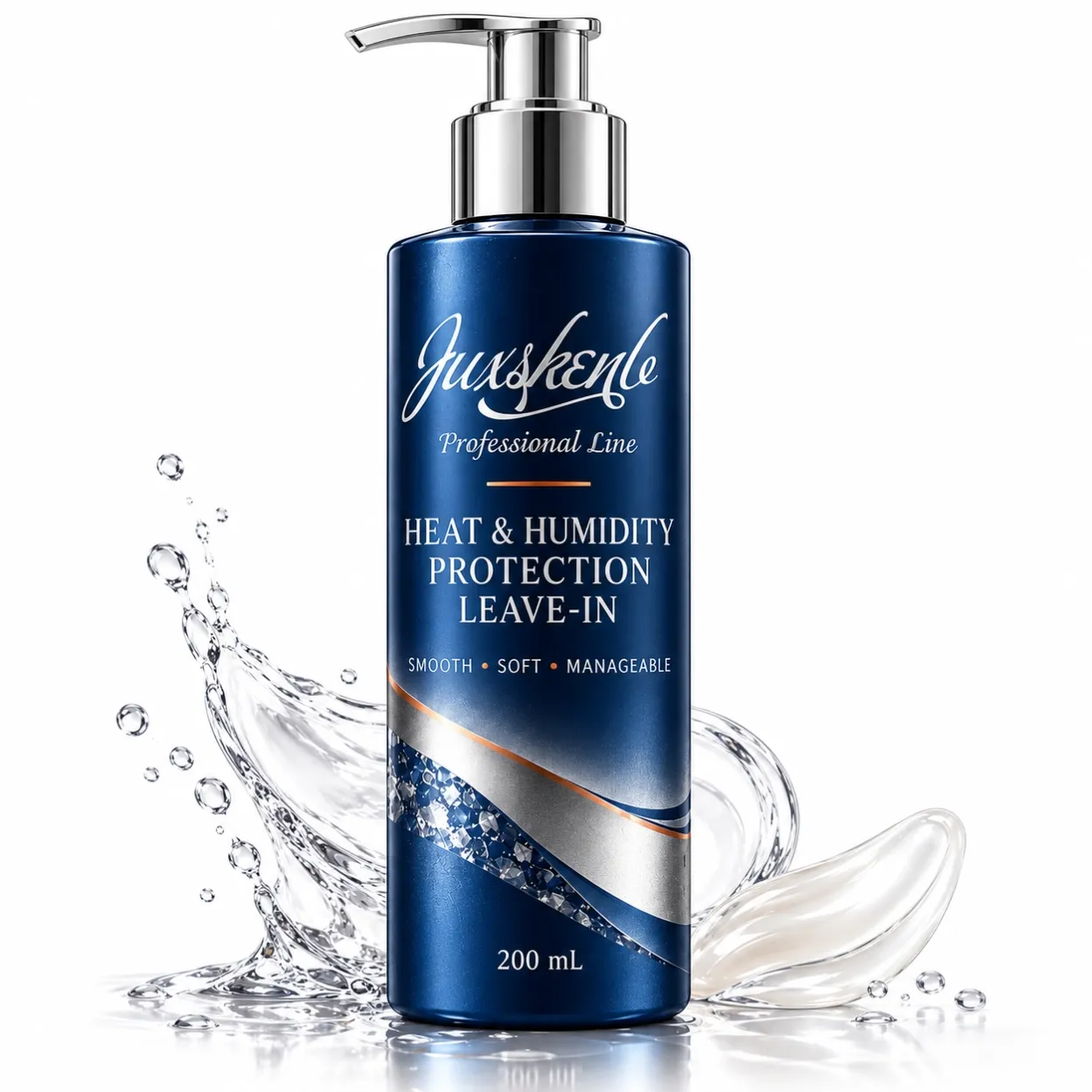
Start with JunChun’s Heat & Humidity Care Leave-In, a 200 ml pump-bottle reference for a professional leave-in project. Share the customer’s hair profile, styling sequence and preferred dry finish. JunChun can connect formula selection, sample comparison, packaging review and export-document coordination around that brief. Use the selected formula’s relevant evidence and final directions when agreeing the label.
Selected mature formulas with qualified stock packaging start from 100 pieces per SKU. Packaging changes start from 500, subject to component and process; formula changes and specialist packaging are confirmed separately. Compare the eligible current route with the requested changes at the same quantity.
Frequently asked questions
Does this article provide a 230°C certification?
No. It provides a buyer brief for discussing appropriate testing.
Can one photograph replace a controlled assessment?
No. A photograph may illustrate appearance but cannot establish every relevant damage endpoint.
What should I include in a sample enquiry?
Send your proposed temperature wording, styling-tool routine and available sample specification, destination country and planned quantity. Ask which current samples or development options fit those requirements.
Related products and manufacturing
Request a focused sample comparison
Send your proposed temperature wording, styling-tool routine and available sample specification, destination country and planned quantity. Ask JunChun which current sample fits the brief and what your requested changes add to the project. Send your project brief or email info@junchunbeauty.com.
Sources and scope
- K18: HeatBounce product and claim footnotes — Publication date not displayed; checked 2026-10-23.
Sources checked 23 October 2026. Comparisons and procurement steps are editorial recommendations; brand and ingredient examples retain their own formula and study scope. Match the selected JunChun sample to its relevant project information and reports.