
Clarifying Shampoo OEM: Build a Repeatable Styling-Residue Test
Compare clarifying shampoo OEM samples with controlled styling-residue challenges, fixed wash conditions and separate cleansing and hair-feel scores.
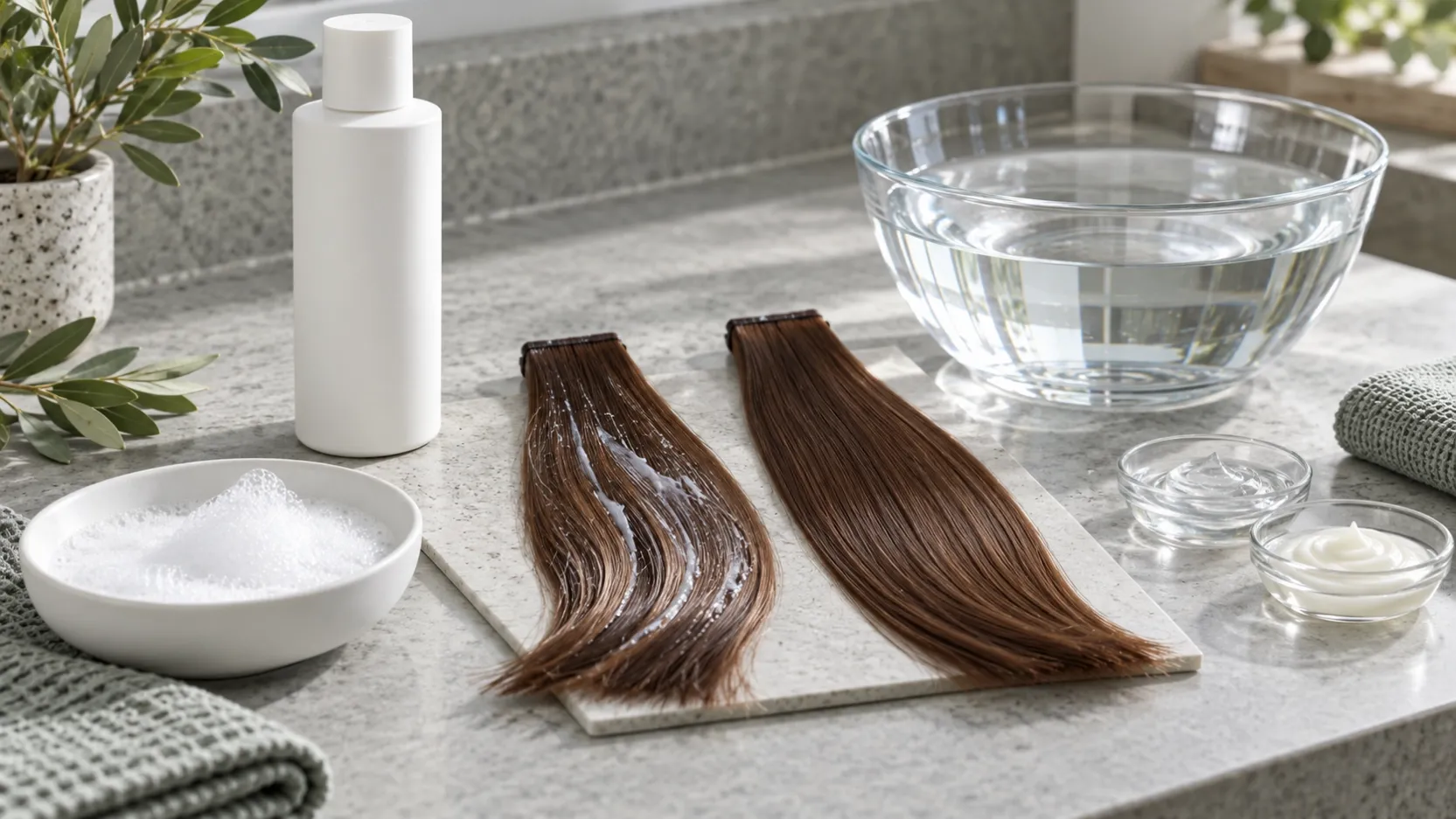
Test a clarifying shampoo against the residues its customers actually use, with a fixed product load, shampoo dose and rinse procedure. Assess removal separately from post-wash hair feel. A high-foam result or a clean-looking photograph alone cannot establish suitability for a salon reset routine.
Why the wash step belongs in a refresh-product brief
Living Proof's official TikTok Shop listing shows a non-aerosol dry-shampoo mist (listing, reviewed 3 October 2026). This verifies one available refresh format, not a platform-wide trend.
Buyer inference: a range that encourages between-wash styling or refresh use should also define its wash-day role. This does not mean every customer needs a strong cleanser or that dry shampoo causes a particular scalp condition.
Choose a challenge that represents the routine
Name the residue
Start with one relevant styling material: a flexible-hold spray, a waxy styling product, a silicone-containing finish or a powder refresh product. Record the specific benchmark and applied mass. “Buildup” is too broad for a repeatable comparison.
Use separate challenges when the intended range covers several residues. A sample that performs well on one film does not automatically remove every other material.
Include meaningful controls
Use matched prepared tresses, untreated controls and a current cleanser benchmark. Add a water-only rinse control if it helps interpret the removal method. Randomize or code tresses so the evaluator does not know the preferred shampoo.
Keep the wash conditions fixed
- Apply the selected styling product at a measured dose and allow it to settle under recorded conditions.
- Wet each tress with the same water temperature and measured water supply. Record hardness where relevant.
- Use equal shampoo mass relative to tress mass. Hold massage duration and movement consistent.
- Rinse with the same flow or volume and duration. Dry under a consistent method before evaluation.
- Record removal, combing behavior and visible residue independently.
This is a proposed development method. A claims laboratory should define a fit-for-purpose protocol if the final label promises a quantified removal result.
Select a measurement that answers the question
A validated analytical method may be appropriate for a particular residue. Visual scoring can be useful for screening visible powder or flakes, but it cannot quantify an invisible film. Simple tress weighing can also be confounded by moisture or shampoo deposition. Ask what each measurement can and cannot distinguish.
Compare cleanliness with handling
Assess comb drag, movement and the feel of lengths after cleansing. If the intended routine includes conditioner, test a shampoo-alone condition and a defined shampoo-plus-conditioner routine separately. Report which condition produced the result.
A sample may remove a residue well yet be unsuitable for the proposed frequency or hair type. Set acceptance criteria around the intended routine rather than chasing maximum cleansing in every situation.
Procurement questions before approval
Ask for the tested residues, number of wash cycles, water conditions, benchmark and final-pack dose assumptions. Confirm whether a mineral-deposit claim is a separate project; styling-residue removal does not establish hard-water deposit removal.
Require the supplier to identify unfinished work, including stability, pack compatibility and claim substantiation. Do not turn a bench screen into a consumer-facing percentage claim.
FAQ
Does more foam prove more residue removal?
No. Measure the target residue with an appropriate comparison method.
Can one challenge justify “removes all buildup”?
No. Narrow the wording to the evidence and intended use.
Is clarifying shampoo automatically a daily product?
No. The formula, audience and evaluated routine should determine the instructions.
Related capability and contact
Review the hair-care product range and OEM/ODM project cases for adjacent wash and treatment development. Confirm the exact cleansing route and test scope for your project.
Contact Junchun Cosmetic with your styling benchmark, intended wash frequency, target hair types and order quantity. Request a residue-specific sample comparison.