
Color-Depositing Conditioner OEM for Copper and Brunette Hair
Build a copper or brunette color-depositing conditioner with controlled pigment, conditioning slip, shade testing and realistic maintenance claims.
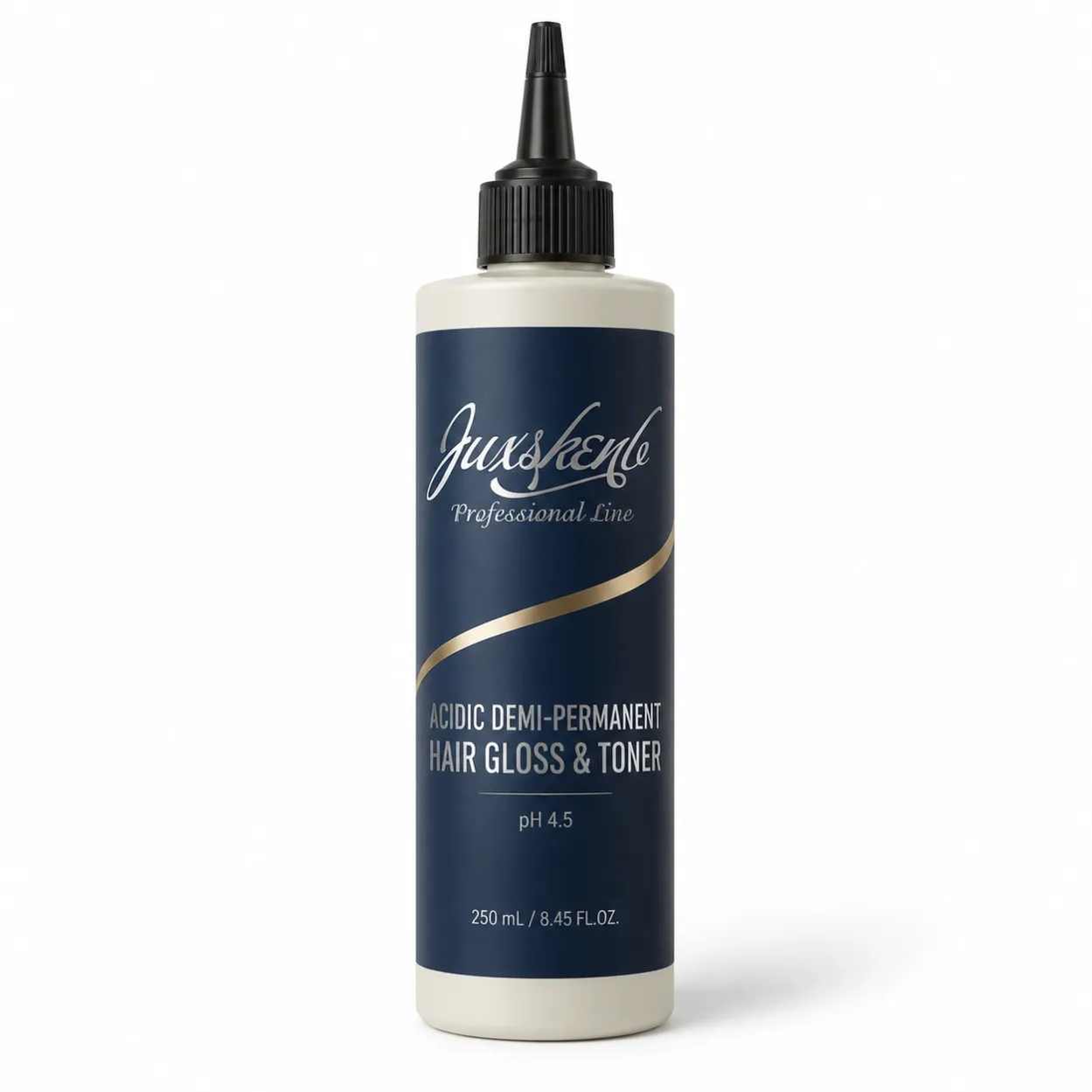
Warm, dimensional shades are a clear autumn 2026 signal. Recent salon coverage highlights copper-gold, glossy red, deep brunette and “cashmere bronde,” while Ulta’s August 2026 guide places color-depositing conditioners between ordinary conditioning and permanent color. This creates a practical OEM opportunity: a weekly maintenance product that refreshes tone between salon visits without promising a predictable dye result on every starting shade.
Direct answer
A color-depositing conditioner combines conditioning agents with direct dyes or pigments that temporarily alter visible tone. Copper and red shades can refresh warmth on suitable blonde, bronde or pre-lightened bases; chocolate or espresso shades can deepen brunette appearance. The starting level, porosity, previous color and contact time strongly affect the result. Brands need shade-specific tress testing, clear directions and a transfer-management plan before launch.
Choose the consumer job
Do not begin with “make a copper mask.” Choose one primary job:
- Maintain salon copper or auburn between appointments.
- Add temporary warmth to blonde or bronde hair.
- Refresh faded chocolate or espresso brunette.
- Neutralize unwanted warmth with an ash-brown direction.
- Offer a fashion tint on pre-lightened hair.
These jobs require different pigment combinations. A bright copper that reads beautifully on level-eight blonde may be nearly invisible on deep brown hair.
Pigment and base-hair variables
Starting shade
Create a swatch chart that shows results on several relevant starting levels. Avoid a single “before and after” that implies universal output.
Porosity and damage
Porous ends can absorb more color and appear darker or brighter than healthier roots. Include virgin, colored and bleached tresses in development. A preliminary strand test is essential for consumers with highlights, balayage or uneven damage.
Contact time and frequency
Five minutes may provide a subtle refresh while fifteen minutes produces more deposition. The recommended range should be validated, and consumers should be warned that repeated use can build intensity.
Conditioning base design
The product still has to be a good conditioner. Cationic agents, fatty alcohols and emollients should provide slip without preventing even pigment distribution. A very heavy mask may deposit unevenly on fine hair; a thin conditioner may drip, stain the shower and give poor section coverage.
pH influences hair feel, formula stability and the behavior of the color system. It is not a shortcut to permanent color. Keep the product clearly in the temporary or semi-permanent maintenance category appropriate to its ingredients and market rules.
Essential testing
Shade matrix
Test each shade on multiple starting colors and porosity levels under controlled dose, time and temperature. Photograph under consistent lighting and keep retained swatches.
Wash fade
Track color after one, three, five and more washes with the intended shampoo. The result supports phrases such as “gradually fades” and helps set consumer expectations.
Staining and transfer
Assess hands, towels, pillowcases, clothing, shower surfaces and packaging. Gloves, immediate rinsing and dark towels may be appropriate directions for high-deposit shades.
Compatibility and stability
Monitor pigment migration, separation, odor, pH and package staining. Pumps and cap liners should be challenged with the real formula, not a colorless base.
Shade-range strategy
Launching twelve shades at once creates inventory and quality-control complexity. A practical first range may be:
- Soft copper for blonde and bronde.
- Auburn or copper-brown for medium bases.
- Chocolate or espresso for brunette depth.
- Clear or pigment-free conditioning mask for dilution, only if the system is validated for mixing.
Every shade needs its own stability, safety, batch-control and performance work. “Same base, different dye” does not eliminate validation.
Claims and labeling boundaries
Suitable language includes “refreshes warm copper tones,” “temporarily enhances brunette richness,” and “conditions while depositing color.” Avoid “matches every hair color,” “damage-free alternative to all dye” or claims that it lightens dark hair. A deposit-only conditioner cannot lift the natural base.
The label should include a strand-test instruction, staining precautions, glove guidance where necessary and warnings relevant to hair-color cosmetics in the target market. Do not market a cosmetic conditioner for eyebrows or eyelashes.
FAQ
Will copper conditioner turn dark brown hair copper?
Usually it adds subtle warmth rather than a bright transformation. Strong visible copper generally requires a lighter starting base.
Is it permanent hair color?
No. A deposit-only conditioner adds temporary pigment and normally fades with washing, although porous hair may retain color longer.
Can one formula work for copper and brunette shades?
A shared conditioning base may be possible, but each pigment system still needs independent stability, shade, fade and staining tests.
Is a patch test enough?
Follow destination-market requirements, but performance also needs a strand test because hair history and porosity affect the visible result.
OEM/ODM Project Planning
Review our product categories, compare OEM/ODM development routes, or contact our project team with your target market, product type, quantity, packaging direction and launch timing. Formula, packaging, MOQ, testing and documentation are confirmed for each project.