
Aug 31, 2026
Dry Shampoo Mist vs Aerosol Powder: Which Private Label Format Fits Your Brand?
Compare non-aerosol micellar dry shampoo mist and aerosol powder formats by residue, user experience, packaging, shipping and OEM development.
Dry Shampoo Mist vs Aerosol Powder: Which Private Label Format Fits Your Brand?
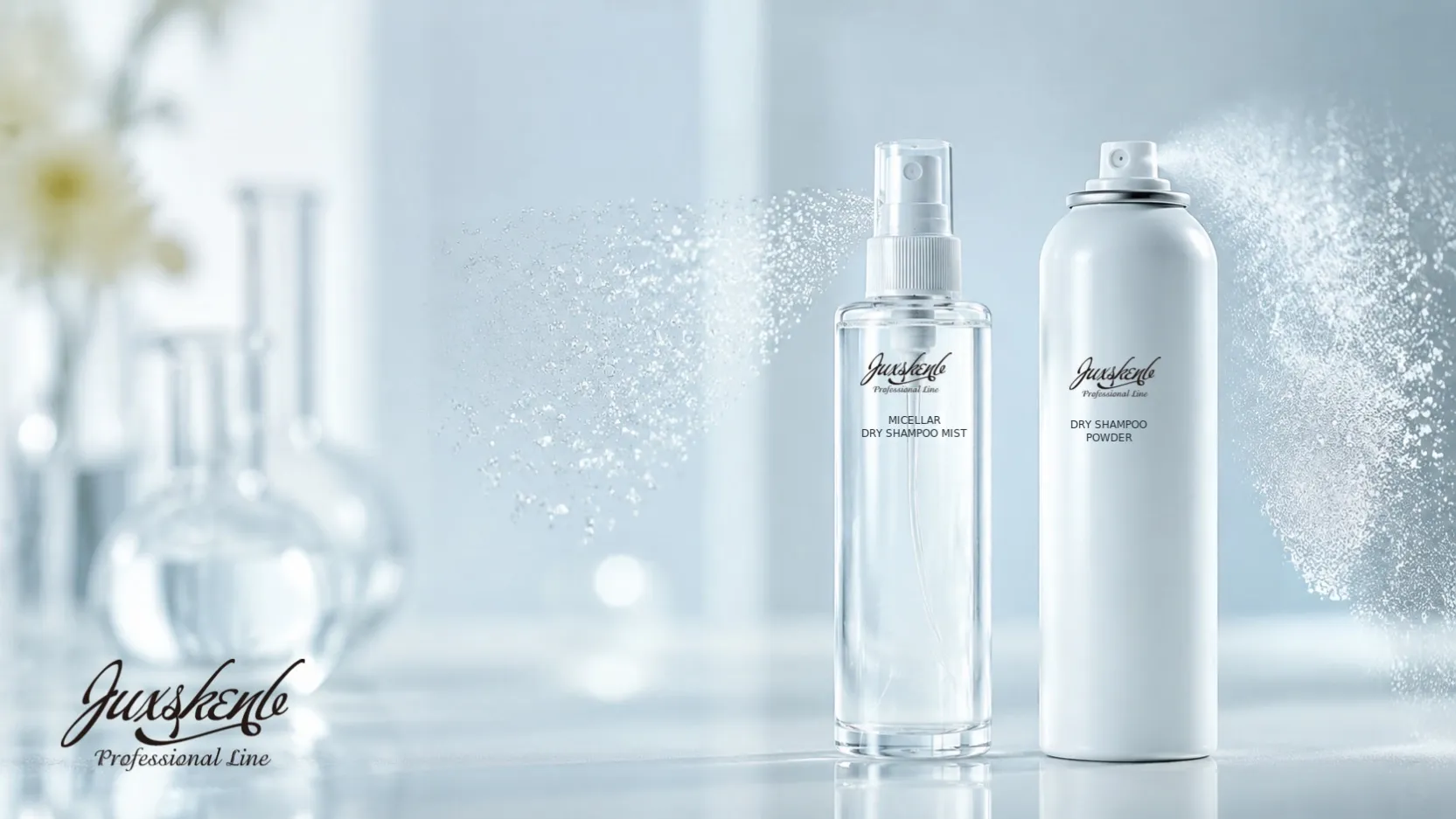
Dry shampoo is no longer limited to a white powder aerosol. Non-aerosol cleansing mists offer brands a different user experience, especially for dark hair, scalp refresh and travel-friendly positioning.
Aerosol powder format
Traditional aerosol dry shampoo delivers absorbent powders quickly and can create immediate volume. It is familiar to consumers, but buyers must manage visible residue, inhalation considerations, valve performance, flammability classification and more complex transport requirements.
Non-aerosol micellar mist
A pump mist can use a lightweight cleansing and deodorizing system with low visible powder. It may suit dark hair and consumers who dislike chalky residue. However, it must dry quickly and should not leave hair wet, sticky or flattened.
Which format gives more volume?
Aerosol powder often gives stronger instant root texture because of its powder load and delivery system. A clear mist can focus more on freshness, low residue and scalp feel. A mist claiming strong volume needs appropriate tress or consumer testing.
Packaging and logistics
A fine-mist PET or aluminum-look bottle can simplify small-run private-label packaging and may avoid some aerosol transport complications, depending on the exact formula. Aerosols require compatible cans, valves, propellant control and destination-specific shipping review.
Testing priorities
For either format, evaluate oil-absorption appearance, residue on dark hair, brushing, odor control, drying time, scalp comfort, buildup, spray pattern and packaging stability. Repeated-use testing matters because consumers may apply dry shampoo between several washes.
Who should choose a mist?
A micellar or low-powder mist suits brands prioritizing dark-hair compatibility, low visible residue, non-aerosol packaging and a fresh scalp feel. It is also easier to position alongside scalp serums and cleansing sprays.
Who should choose an aerosol?
Aerosol remains useful for strong instant oil absorption, root texture and familiar retail behavior. It may suit salon styling and mass-market shelves where logistics and compliance systems are already established.
Can both be launched in one range?
Yes, but each should have a clear use case. For example, the mist can be a daily scalp refresh, while the aerosol is a styling-volume product. Avoid making both products sound identical.
OEM decision checklist
Confirm target hair colors, powder tolerance, desired volume, package type, shipping destination, fragrance and claim priorities before selecting a base. Request samples on dark and light hair and compare them under consistent application conditions.
View private-label hair-care products at https://www.skinhaircarecosmetic.com/products and discuss formula, packaging and MOQ with our OEM/ODM team.