
Hard-Water Hair Care System OEM: What a Shower Filter Cannot Replace
Build a hard-water hair-care system by separating shower-filter functions from chelating shampoo, conditioning mask and leave-in performance.
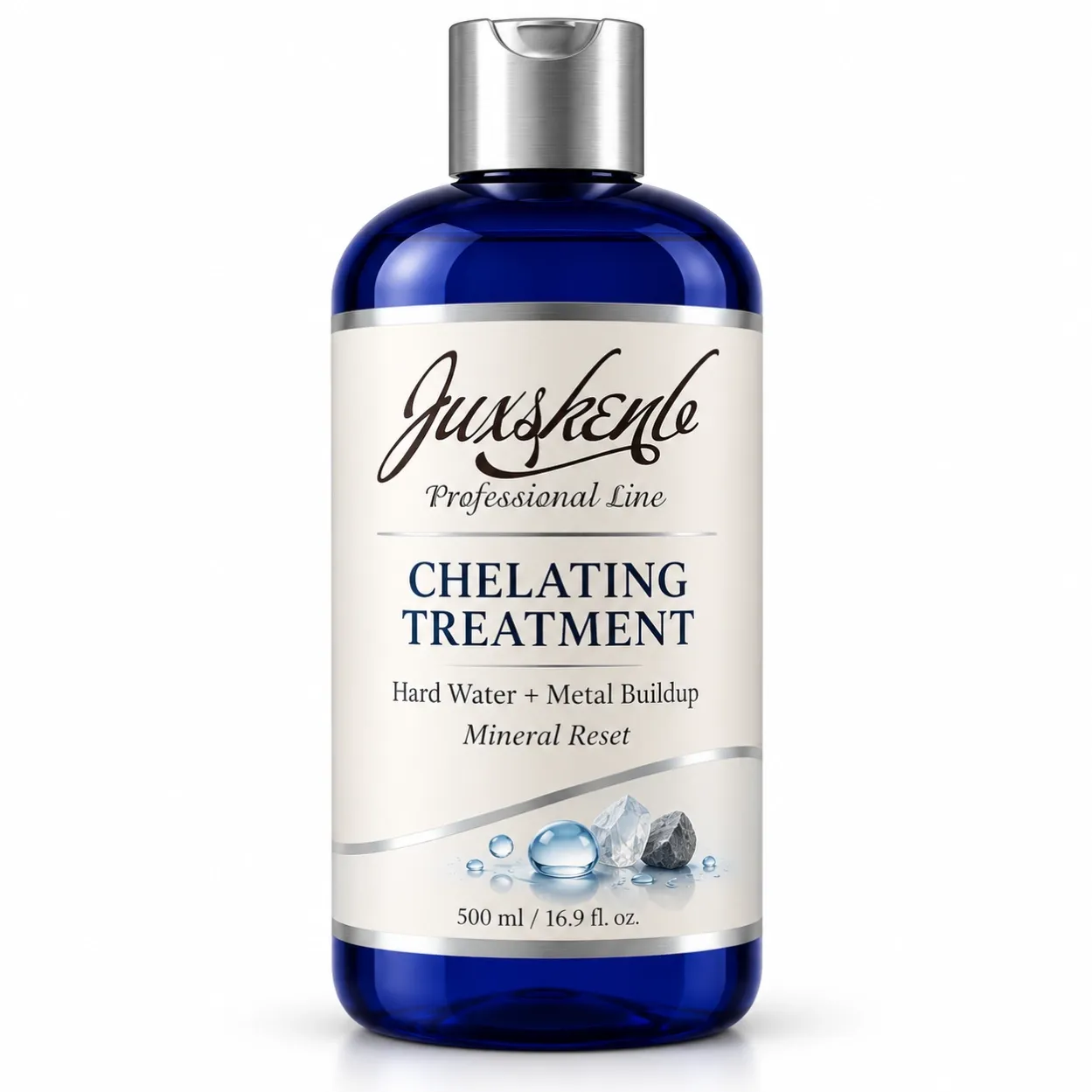
Water quality is moving from home improvement into hair care. September 2026 search tracking shows sharp growth for branded filtered showerheads, alongside durable demand for clarifying shampoo and head-spa routines. This creates an opportunity for professional hair brands, but the claim architecture must be accurate: a shower filter, chelating shampoo and repair mask solve different parts of the problem.
Direct answer
A shower filter may reduce selected substances depending on its media, water conditions and validated specification, but it does not reliably remove mineral deposits already attached to hair. A chelating shampoo is formulated to help bind and rinse away certain mineral buildup from the fiber; a mask or leave-in then improves softness, lubrication and manageability. A credible hard-water system explains these separate roles and avoids claiming to remove every heavy metal.
What hard water can do to hair
Hard water commonly contains elevated calcium and magnesium ions. Water and plumbing conditions may also expose hair to iron or copper. Repeated deposition can contribute to:
- Dull appearance.
- Rough or coated feel.
- Reduced lather and harder rinsing.
- Color shift or accelerated fading.
- Increased tangling and styling difficulty.
These signs are not unique to hard water. Styling buildup, chlorine exposure, damaged cuticles and scalp conditions can look similar, so brands should avoid self-diagnosis language that overpromises.
Filter, chelator and conditioner: three different jobs
Shower filter
Performance depends on filter media, flow rate, temperature, source water and replacement schedule. Many filters are stronger at reducing chlorine or selected contaminants than softening calcium and magnesium. Claims must follow actual device testing.
Chelating shampoo
Chelators such as EDTA salts, sodium gluconate or other selected systems can interact with mineral ions during washing. The final formula’s pH, surfactants, contact time and rinse determine performance. “Contains a chelator” is not the same as proven deposit removal.
Conditioning mask or leave-in
Conditioning cannot remove minerals by itself, but it can improve friction, softness and appearance after cleansing. A mask helps restore manageability; a leave-in supports ongoing detangling and styling.
Designing the three-step OEM system
Step 1: Chelating shampoo
Set the intended frequency—weekly reset, post-swim, salon preparation or regular use. Stronger cleaning is not always better for bleached or curly hair.
Step 2: Repair or moisture mask
Choose conditioning deposition based on porosity. A heavy formula can flatten fine hair; a lightweight mask may not be enough for very damaged lengths.
Step 3: Leave-in protection
A cream or mist can reduce combing friction and support heat or color-care claims when separately tested. Do not position it as ongoing chelation unless evidence supports that function.
Testing mineral-removal performance
Treat standardized tresses with defined mineral solutions or source water, then compare untreated, ordinary-shampoo and chelating-system groups. Possible endpoints include:
- Mineral content measured by an appropriate analytical method.
- Color change.
- Wet and dry combing.
- Tensile or breakage-related measures.
- Shine and roughness.
- Consumer perception after repeated use.
Name the minerals actually evaluated. “Helps reduce calcium, magnesium, iron and copper buildup” is more credible than “removes all heavy metals.” Calcium and magnesium are hardness minerals, not normally described as heavy metals in cosmetic communication.
Formula and packaging considerations
Chelators can interact with metals, pigments and formula components, so monitor color and odor through stability. An acidic system may support performance but must remain scalp-compatible. If the shampoo is strongly clarifying, use clear frequency directions and pair it with suitable conditioning.
A 300 mL shampoo, 300–500 mL mask and 150–250 mL leave-in form a practical consumer or salon-maintenance set. Salon channels may also require 1 L sizes after demand is proven.
Claims and education
Useful wording includes:
- Helps remove hard-water mineral buildup.
- Clarifies dull, coated-feeling hair.
- Helps restore shine and manageability after mineral exposure.
- Three-step wash, condition and protect routine.
Avoid claiming permanent repair, complete metal removal or treatment of hair loss. A filter and cosmetic routine can manage exposure and deposits; they cannot guarantee the quality of every water supply.
FAQ
Does a shower filter soften hard water?
Not always. Many shower filters target chlorine or selected impurities rather than fully removing calcium and magnesium hardness.
Can ordinary shampoo remove mineral buildup?
It may remove surface soil, but a dedicated chelating system is designed for mineral interaction and should be tested accordingly.
Is chelating shampoo safe for colored hair?
It can be formulated for colored hair, but color retention, frequency and fiber feel must be evaluated on the final product.
Should the mask also contain chelators?
It may, but the mask’s main role is usually conditioning. The brand should define whether any additional chelation is technically useful and testable.
OEM/ODM Project Planning
Review our product categories, compare OEM/ODM development routes, or contact our project team with your target market, product type, quantity, packaging direction and launch timing. Formula, packaging, MOQ, testing and documentation are confirmed for each project.