Aug 30, 2026
Hard-Water Shampoo with GLDA and Batana Oil: Formula Development Guide
Develop a salt-free hard-water shampoo using GLDA chelation, supporting metal control and Batana conditioning without overclaiming mineral-removal performance.
Hard-Water Shampoo with GLDA and Batana Oil: Formula Development Guide
Hard water can leave calcium, magnesium and trace metals associated with dull feel, roughness, reduced foam and color-care concerns. A hard-water shampoo should combine cleansing with a genuine chelating system rather than relying only on acidic ingredients or a “detox” fragrance story.
What chelating system can be used?
Tetrasodium Glutamate Diacetate, commonly called GLDA, is a readily biodegradable chelating agent used to control polyvalent metal ions in water-based systems. Sodium Phytate may be added as supporting metal-control technology, particularly within a broader iron and copper management story.
Supplier reference: Nouryon Dissolvine GLDA technical information.
What does the chelator do?
Chelators form water-soluble complexes with metal ions, helping reduce their unwanted interaction in the formula and during cleansing. Finished-product claims about removing calcium, magnesium, iron or copper should be supported by testing on treated hair or wash solutions.
Why add Batana oil?
Batana oil can improve the conditioning story and reduce the perception that a clarifying shampoo must feel harsh. It should be incorporated at a controlled level with a suitable solubilization or dispersion system so that foam, clarity and viscosity remain acceptable.
Can the formula contain no added sodium chloride?
Yes. Viscosity can be developed using cellulose, starch-based or other salt-free rheology systems. “No added sodium chloride” should not be confused with “sodium-free,” because many surfactants and chelators have valid sodium-based INCI names.
How should mineral-removal performance be proven?
A responsible test plan can compare treated hair before and after washing using ICP-OES or another validated metal-analysis method. Additional tress testing can assess wet combing, dry feel, shine, color difference and repeated-use performance.
Is this shampoo suitable for regular use?
That depends on surfactant strength, active level and consumer group. A weekly reset formula can prioritize deeper cleansing, while a frequent-use hard-water shampoo needs a milder cleansing and conditioning balance.
What claims are appropriate before testing?
Use cautious language such as “helps remove hard-water mineral buildup and residues that can leave hair feeling dull or rough.” Avoid exact metal-removal percentages without finished-product data.
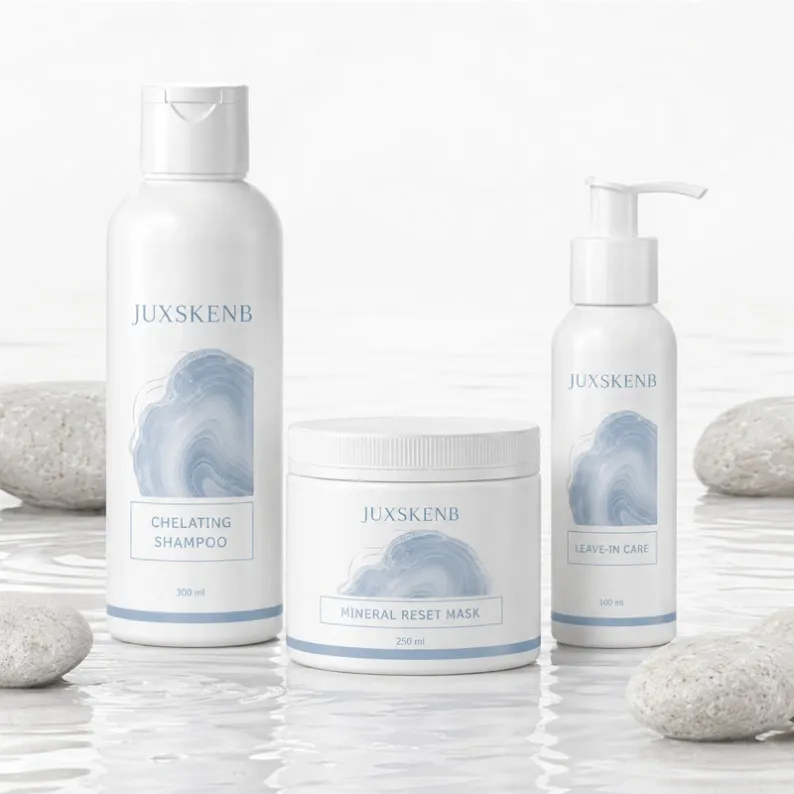
Guangzhou Junchun Cosmetic Limited supports custom hard-water shampoo, mask and leave-in systems with chelator selection, Batana conditioning, no-added-salt options, packaging and multilingual label support.