
Heat Styling Primer OEM for Dryer Brushes and Blowouts
Build a heat-styling primer for dryer brushes and blowouts by testing slip, drying time, residue, humidity control and finished-product protection.
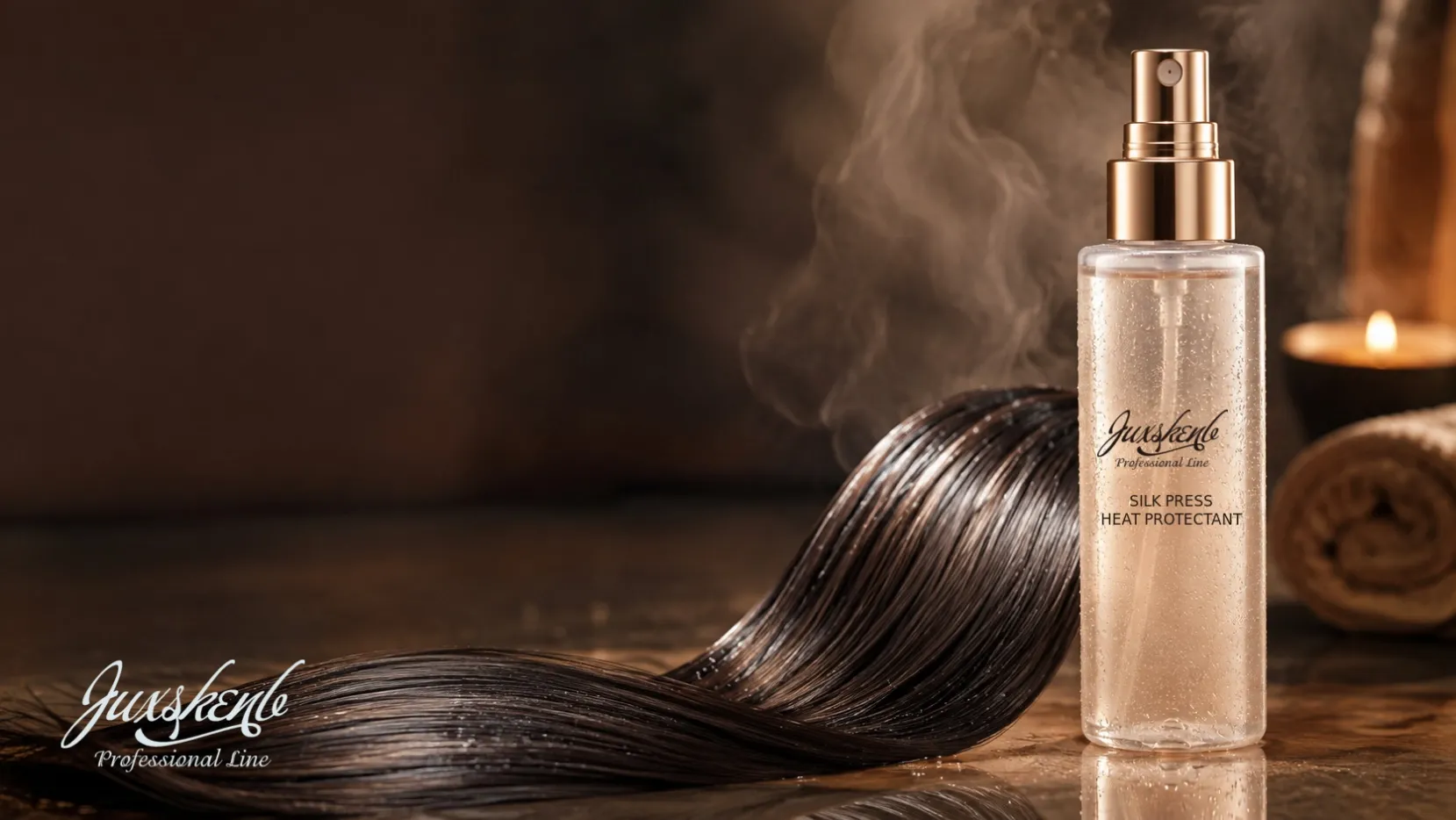
A good dryer-brush primer should deliver detangling and brush glide first, then controlled conditioning, faster or manageable drying, frizz reduction and a clean finish. Heat protection should be treated as a tested performance claim, not an automatic benefit of adding an oil, protein or silicone.
Why tool innovation changes the product brief
When a consumer buys an easier, anti-snag styling tool, the supporting hair product is expected to make the routine equally simple. A rich leave-in cream may protect the feel of dry ends but slow drying or reduce root lift. A high-alcohol spray may dry quickly but feel harsh on already bleached hair. The primer has to balance glide, deposition and evaporation.
This is a system-design problem: formula, spray pattern, dose, hair section size and tool temperature interact.
Define the hero use case
Fine hair blowout
Prioritize low weight, controlled antistatic performance and root volume. The formula should not leave a visible film on dark hair or make clean hair look oily the next day.
Thick or coarse hair smoothing
Prioritize wet detangling, fiber alignment, humidity resistance and enough lubrication for repeated brush passes. A cream-spray or light milk may work better than a very thin mist.
Curly-to-straight styling
Prioritize section-by-section slip, even coverage and protection through multiple passes. Test on the intended curl patterns and avoid implying that one formula performs identically on every texture.
Performance tests to include before launch
Start with combing-force or standardized detangling comparisons on treated tresses. Evaluate drying time under a defined dryer-brush routine, number of passes, static, flyaways, shine and tactile residue. If claiming heat protection, agree on a temperature, exposure protocol and damage marker before testing.
Humidity testing should be separate from immediate smoothing. A product can look polished after styling but lose control after several hours in humid conditions.
Spray hardware matters
The nozzle should distribute enough product to coat a section without creating wet spots. Measure output per spray, plume width and consistency at different bottle angles. Check whether conditioning polymers or suspended materials clog the actuator over time.
For a 100–150 ml consumer product, a fine mist can feel premium, but only if the viscosity and formula are compatible. A lotion pump is more suitable for cream primers. Do not select the bottle before confirming the formula's flow behavior.
Keep the claim hierarchy simple
Use one hero claim and two supporting benefits. A clear example is:
- Hero: heat-styling primer for smoother blowouts.
- Support 1: helps detangle and improve brush glide.
- Support 2: helps control frizz and flyaways.
Claims such as “repairs bonds,” “protects to 230°C,” “cuts drying time by 50%” or “24-hour humidity shield” require specific evidence. They should not be added merely because they are common in marketplace listings.
FAQ
Should the product be a mist, milk or cream?
Fine hair usually favors a mist or very light milk. Thick, coarse or highly porous hair may need a richer cream-spray. The final choice should follow hair-panel testing.
Can the same primer work with flat irons and dryer brushes?
It can be developed for both, but the use conditions differ. Testing should reflect the actual tools, temperatures, hair moisture and number of passes.
Does a heat-protection ingredient guarantee the claim?
No. Supplier data on an ingredient does not automatically prove the performance of the final formula at the advertised temperature.
What packaging checks are essential?
Check output, clogging, leakage, hot/cold storage, cap security and compatibility with the final formula.
Explore related products
Heat Protectant Leave-In Spray; Detangling Conditioner OEM; Anti-Frizz Hair Care; Stock Bottle Options.
Discuss your project
Contact our professional OEM/ODM team, with more support. Develop a Dryer-Brush Styling Primer. Please tell us tool type, maximum styling temperature, target hair type, preferred texture, claim priorities, size and quantity.