
Jun 26, 2026News & Insights
How to Choose a Private Label Hair Care Manufacturer (Without Wasting Time or Budget)
How to Choose a Private Label Hair Care Manufacturer (Without Wasting Time or Budget) 🟣 Let’s be direct: most buyers don’t fail because of product — they fail because of supplier choice If you’ve
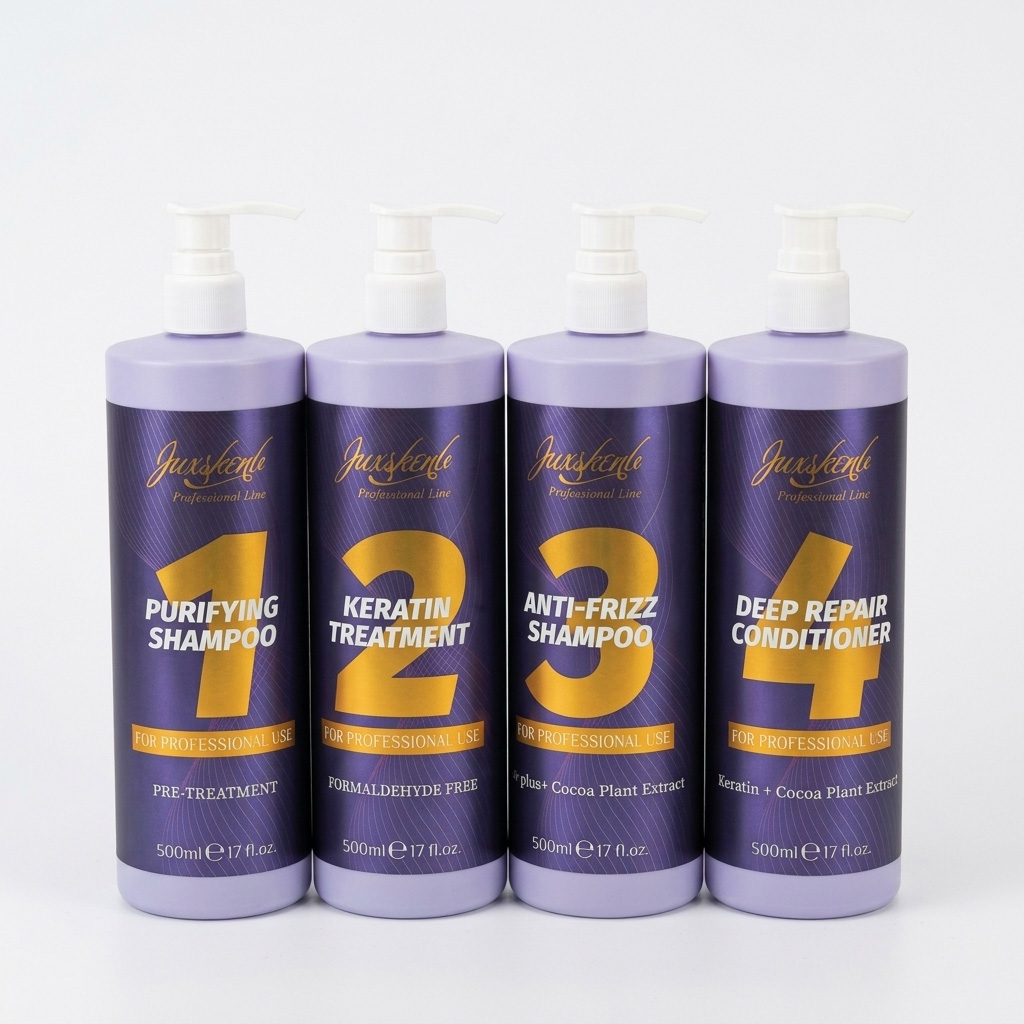
How to Choose a Private Label Hair Care Manufacturer (Without Wasting Time or Budget)
🟣 Let’s be direct: most buyers don’t fail because of product — they fail because of supplier choice
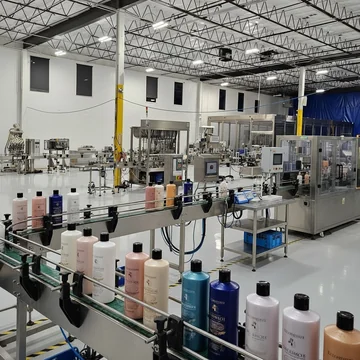
If you’ve sourced hair care products before, you already know this:
There are too many suppliers, and most of them look the same.
- Similar product lists
- Similar certifications
- Similar claims
But the actual results? Very different.
What usually goes wrong is not the formula —
it’s the mismatch between what the supplier promises and what they can consistently deliver.
🟣 Step 1: Stop comparing prices first — start with risk
Most new buyers do this:
👉 Ask price → compare MOQ → choose cheapest
That approach works for trading.
It doesn’t work for building a product line.
Because what actually affects your business later is:
- Product consistency
- Complaint rate
- Reorder stability
👉 Not the initial unit price
🟣 Step 2: Check if the supplier understands your target market (not just the product)
This is where experienced buyers filter fast.
A capable manufacturer should be able to answer questions like:
- Which products sell better in dry-climate markets?
- Is keratin or hair botox easier to push in salons?
- What kind of claims actually convert in your region?
If a supplier only talks about:
- ingredients
- packaging
- price
👉 They’re likely just producing — not helping you succeed in the market
🟣 Step 3: Quality control is not a document — it’s a system


You’ll see many suppliers mention:
- GMPC
- ISO22716
- Quality control
But here’s the real question:
👉 Can they produce the same quality in every batch?
Things to check (practical level):
- Do they have batch records?
- Do they test stability?
- Can they provide consistent samples over time?
Because once you scale, inconsistency becomes:
👉 returns
👉 complaints
👉 lost clients
🟣 Step 4: Low MOQ is not just about flexibility — it’s about strategy
Many buyers ask for low MOQ.
But the real reason is not budget.
👉 It’s about testing without risk
A good supplier understands this and offers:
- Flexible MOQ for initial orders
- Scalable production for future growth
- Packaging options that don’t lock you in too early
This is especially important if you are:
- Entering a new market
- Launching a new brand
- Testing a new product category (like keratin systems)
🟣 Step 5: Private label is not just logo printing
A lot of suppliers say “we do OEM/ODM.”
But in reality, there are big differences.
Basic level:
- Just change logo
- Use existing formula
Advanced level (what you should look for):
- Formula adjustment (e.g. formaldehyde-free, sulfate-free)
- Market-specific positioning
- Packaging guidance
- Claim support (what you can actually say in your market)
👉 This directly affects whether your product feels “generic” or “sellable”
🟣 Step 6: Compliance is boring — until it blocks your shipment
This is usually ignored until it becomes a problem.
Depending on your market, you may need:
- MSDS
- COA
- Ingredient list
- Support for CPNP / FDA / SASO
If your supplier cannot provide these properly:
👉 delays
👉 customs issues
👉 extra costs
👉 This is not optional anymore, especially as regulations tighten
🟣 Step 7: Lead time and reorder ability matter more than first order
Many buyers focus too much on the first order.
But real business starts after that.
Ask yourself:
- How fast can they reproduce the same product?
- Can they handle scaling orders?
- Will lead times stay stable?
Because if your product starts selling and your supplier cannot keep up:
👉 you lose momentum
👉 competitors take your place
🟣 Step 8: What a “good supplier” actually looks like (in reality)
After working with multiple markets, the pattern is clear.
A reliable private label manufacturer is one who:
✔ Understands your market (not just production)
✔ Offers realistic MOQ for testing
✔ Maintains consistent quality across batches
✔ Supports compliance documentation
✔ Can scale with you
👉 Not necessarily the cheapest
👉 But usually the most stable long-term
🟣 Simple checklist (you can actually use this)
Before choosing a supplier, ask:
- Can I test this product with low risk?
- Will my customers complain about it?
- Can this supplier support me if I scale?
If the answer is unclear,
you’re not ready to commit yet.
🟣 Conclusion: Choosing a supplier is choosing your future problems (or avoiding them)
In private label hair care, especially in categories like:
- keratin treatment
- anti-frizz systems
- repair-focused products
Your supplier is not just a vendor.
👉 They are part of your product quality, your brand reputation, and your long-term stability.
If you're currently comparing private label hair care manufacturers,
it’s worth taking a bit more time to evaluate beyond price and catalogs.
We’ve worked with distributors and brand owners entering new markets — especially in dry-climate regions — and understand where most early mistakes happen.
If you want, we can share:
- sample testing options
- low MOQ setups
- and what usually works (or fails) in the first few production cycles