
Low-MOQ Bond Repair Hair Care: Choose the Right Format
Compare pre-shampoo treatments, rinse-off masks and leave-in serums before starting a low-MOQ bond-repair hair-care project with a mature formula.
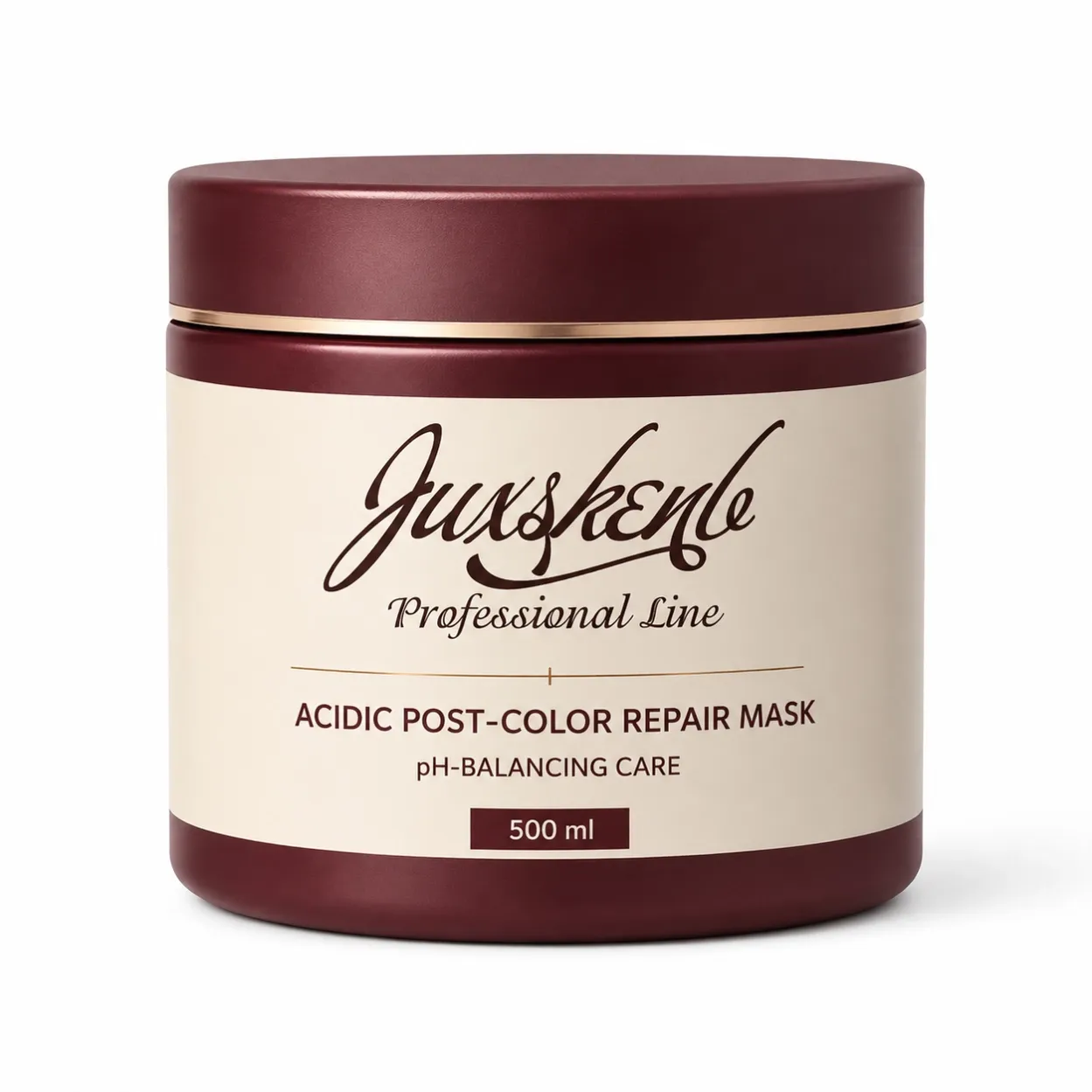
For most small private-label launches, a rinse-off mask or lightweight leave-in is the safest bond-repair starting point. A mask gives buyers a familiar salon-style ritual and easier wet-combing demonstrations. A leave-in can support more frequent content and higher perceived convenience, but it requires stricter control of buildup, heat-use instructions and dose. A pre-shampoo concentrate can be differentiated, yet it needs more consumer education.
Why “bond repair” now covers many different products
Current social-commerce listings place the same broad bond-repair language on products used before shampooing, in the shower, after washing and during styling. That creates opportunity, but it also creates confusion. Two products with similar front-label language may have completely different functions.
A pre-shampoo treatment is normally applied to damp or dry hair before cleansing. It may focus on reducing roughness and improving the feel of weakened hair before the wash cycle. A rinse-off mask is designed to combine conditioning, detangling and a rich sensory experience. A leave-in serum or cream must deliver benefit at a much lower dose without leaving hair sticky, dull or heavy.
The first OEM brief should therefore start with the use moment, not the hero ingredient.
Three formats a small buyer should compare
1. Rinse-off repair mask
This is often the most straightforward first product for dry, bleached, color-treated or heat-styled hair. Buyers understand how to use it, salons can demonstrate combability, and a jar or wide-neck bottle provides strong visual merchandising.
Useful evaluation points include wet slip, detangling force, rinse speed, softness after drying, fragrance persistence and whether repeated use makes fine hair feel coated.
2. Lightweight leave-in serum or milk
A leave-in fits short-form demonstrations because the result can be shown during detangling, blow-drying or finishing. It also supports repeat use between wash days. However, the formula must be tested at the recommended dose on fine, medium, thick, straight, wavy, curly and coily hair where relevant.
The buyer should decide whether the hero result is easier combing, reduced frizz, heat styling support, shine or improved breakage resistance. Trying to claim all five without finished-product evidence weakens the brief.
3. Pre-shampoo treatment
Pre-shampoo formats can make a brand feel more specialist. They work well when the education is clear: how much to use, whether hair should be wet or dry, how long to leave it on and what shampoo should follow. The disadvantage is an extra routine step. For a new brand, this can slow trial unless the before-and-after demonstration is simple.
What a 100-piece pilot can and cannot validate
For selected stable formulas using compatible in-stock bottles, a small pilot can test packaging acceptance, content performance, customer comments, repeat-purchase interest and basic logistics. It can also reveal whether consumers understand the product directions.
It cannot prove a structural repair claim, permanent repair or a specific reduction in breakage unless the finished formula has been tested using an appropriate method. Ingredient supplier data may help explain the formula concept, but it does not automatically substantiate the commercial product.
Recommended first-launch decision
Choose one hero format and one measurable user experience. For example:
- Repair mask: strong wet detangling plus soft, non-waxy finish.
- Leave-in milk: easier blow-drying plus lightweight frizz control.
- Pre-shampoo treatment: improved manageability after a defined wash routine.
Use a mature formula for the market test when speed and lower initial quantity matter. Move to a fully custom formula only after customer feedback shows what must change.
FAQ
Can a small order use a fully custom bond-building formula?
Usually not at the same economics as a selected mature formula. Full custom development may require raw-material minimums, laboratory work, stability checks and a larger production batch.
Is a jar or bottle better for a repair mask?
A jar is easy for thick textures but increases finger contact. A bottle or pump can feel cleaner, yet the viscosity must match the opening and pump output.
Can we claim “repairs hair from the inside”?
Only if the exact wording is supported by appropriate evidence for the finished product and is acceptable in the target market. Safer cosmetic language focuses on reduced breakage, smoother feel or improved manageability when tested.
Which size works for a pilot launch?
Common retail sizes include 100–300 ml for masks and 50–150 ml for leave-ins. The right size depends on dose, target price and expected number of uses.
Explore related products
Private Label Hair Mask; Leave-In Conditioner OEM; Low MOQ Hair Care; Hair Care Packaging Options.
Discuss your project
Contact our professional OEM/ODM team, with more support. Compare a Mature Repair Mask and Leave-In Formula. Please tell us target market, preferred format, hair type, size, quantity and packaging preference.