
Shampoo for Oily Scalp and Dry Ends OEM: One Formula, Two Different Needs
Develop a shampoo for oily roots and dry lengths by balancing scalp cleansing, hair-fiber friction, conditioning deposition and realistic claims.
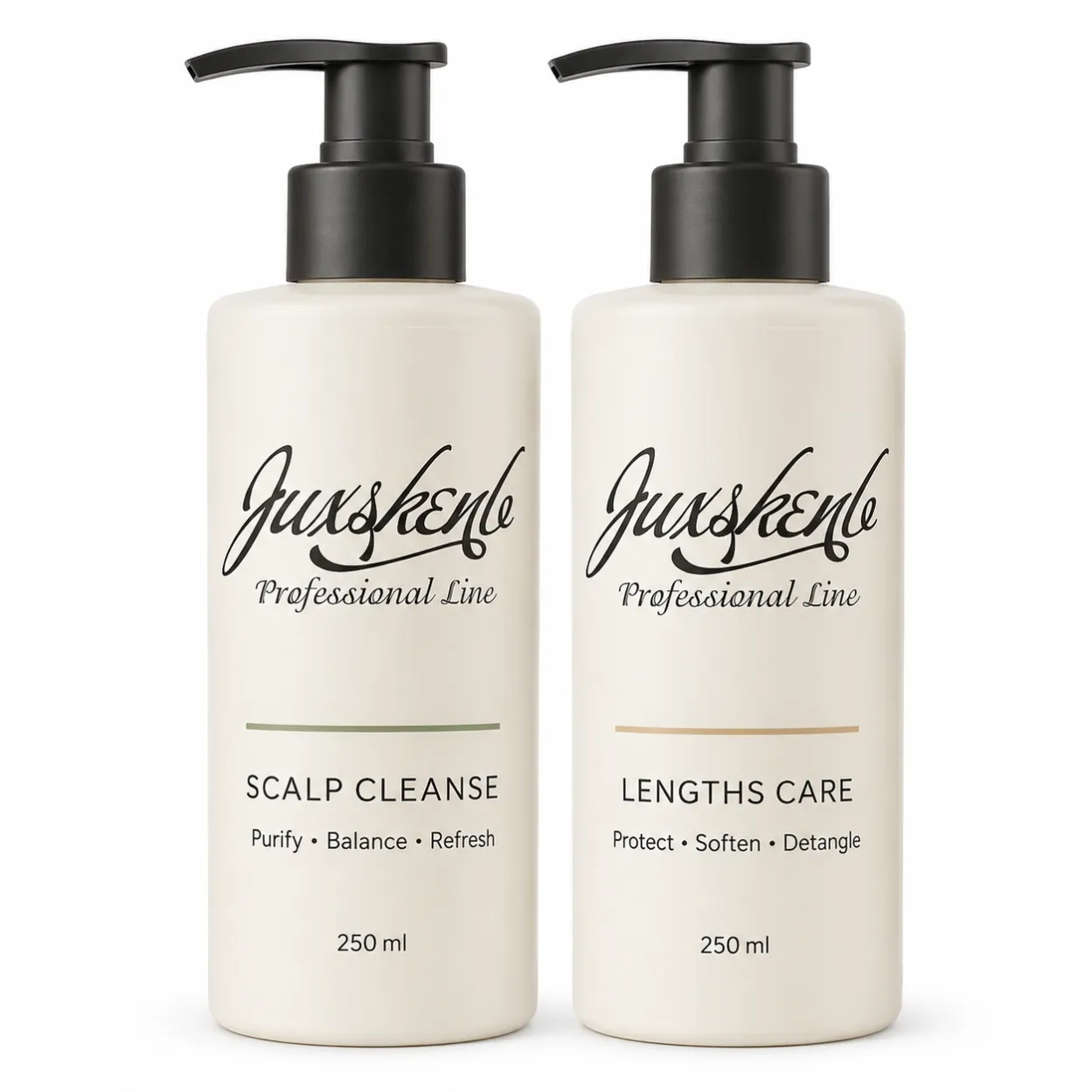
“What hair type is this shampoo for?” is often the wrong first question. Women’s Health’s September 21, 2026 shampoo guide highlights an important professional distinction: shampoo mainly cleans the scalp, yet the lengths may have a completely different condition. A consumer can have an oily scalp with dry curls, fine hair with a dry scalp, or color-treated hair with buildup. For OEM buyers, this means “balancing shampoo” needs a precise scalp-and-fiber brief.
Direct answer
A shampoo for oily scalp and dry ends should remove sebum, sweat and styling residue at the roots while controlling friction and detergent exposure on the lengths. It cannot selectively send strong surfactants only to the scalp, so performance depends on surfactant balance, usage directions, conditioning deposition and the conditioner paired with it. The strongest positioning is “cleans roots without leaving lengths feeling stripped,” supported by testing—not “normalizes oil permanently.”
Diagnose the scalp and the hair separately
Before requesting samples, define two profiles.
Scalp profile
- Oily, normal or dry.
- Sensitive or comfortable.
- Frequent exercise or heavy sweating.
- Styling-product and dry-shampoo buildup.
- Wash frequency and local climate.
Hair-fiber profile
- Fine, medium or coarse.
- Straight, wavy, curly or coily.
- Virgin, colored, bleached or chemically treated.
- Low or high porosity.
- Main concern: dryness, tangling, breakage or frizz.
“Oily hair” may describe the scalp, while the fiber is actually dry and damaged. One label term should not replace this diagnosis.
Surfactant strategy
Cleansing strength
The system needs enough detergency to lift sebum and residue, but repeated aggressive degreasing can increase rough feel and encourage consumers to compensate with heavy conditioners. Blend surfactants to achieve foam, rinse and tolerance at the intended frequency.
Salicylic-acid concept
Salicylic acid can support an oily-scalp or buildup story where legally and technically appropriate. Its availability depends on pH, solubility and formula context. An ingredient addition does not automatically prove dandruff treatment.
Mild cleanser route
Gentler surfactants can be useful for frequent washing or curly lengths. “Sulfate free” alone does not guarantee mildness; the complete system and dose determine cleansing behavior.
Protecting dry lengths
Conditioning polymers, panthenol, betaine, amino-acid concepts and carefully selected emollients can improve wet feel. Excess deposition may make roots collapse or look greasy faster. The shampoo should provide manageable slip, while the companion conditioner carries most of the richer conditioning load.
Usage instructions also matter. Recommend concentrating shampoo on the scalp and allowing the lather to rinse through the lengths rather than repeatedly scrubbing fragile ends.
Testing the balance
Sebum and cleansing assessment
Use standardized sebum or soil removal methods and a consumer panel with the intended wash frequency. Assess clean feel immediately and the time until roots appear oily again.
Wet-combing and friction
Compare treated tresses for combing force, tangling and roughness. Include colored or bleached fibers if they are part of the claim.
Root volume and deposition
Observe whether the formula leaves fine roots flat after repeated use. A shampoo can feel luxurious in one wash yet accumulate conditioning materials over several washes.
Scalp tolerance
Track tightness, itching perception, redness and comfort. Treatment claims for dandruff or dermatitis need a different regulatory route.
Routine architecture
One shampoo does not need to perform every task. A practical system may include:
- Balancing shampoo for regular washes.
- Clarifying or chelating shampoo for occasional buildup.
- Lightweight conditioner on mid-lengths and ends.
- Mask for damaged ends used less frequently.
This creates a credible routine instead of forcing oil control, mineral removal, bond repair and deep conditioning into one bottle.
Claims that fit the evidence
- Cleans oily roots without leaving lengths feeling stripped.
- Balancing shampoo for combination scalp and hair needs.
- Helps remove sebum and everyday product buildup.
- Leaves dry lengths more manageable, when tested.
Avoid “stops oil production,” “cures oily scalp” or “repairs split ends permanently.” Sebum output is biological and can vary with hormones, environment and washing behavior.
FAQ
Can one shampoo really suit oily roots and dry ends?
Yes, when it cleans the scalp effectively while controlling fiber friction. A targeted conditioner remains important for the lengths.
Should the formula contain strong sulfates?
Not necessarily. Performance depends on the full surfactant blend, concentration, pH, conditioning system and usage frequency.
Can it claim anti-dandruff benefits?
Only if the ingredients, evidence and regulatory route support that claim in the destination market.
How often should consumers wash?
Frequency depends on scalp oil, exercise, styling products and hair texture. The label should avoid one rigid rule for every consumer.
OEM/ODM Project Planning
Review our product categories, compare OEM/ODM development routes, or contact our project team with your target market, product type, quantity, packaging direction and launch timing. Formula, packaging, MOQ, testing and documentation are confirmed for each project.