
Sep 21, 2026News & Insights
Private Label Scalp & Hair Density Serum: 2026 OEM Buyer Guide
Scalp and density care is becoming mainstream. Compare formula, claims, packaging and testing decisions before OEM sampling.
DIRECT ANSWER
A commercially credible private label scalp serum should combine a light, fast-drying base with a focused active story, comfortable daily use and claims that remain within cosmetic rules. For most brands, a caffeine, niacinamide, panthenol, betaine and peptide or botanical complex is easier to position than a crowded “miracle growth” formula. The best first sample is the one consumers can apply consistently without grease, flakes or residue.
WHY SCALP AND DENSITY CARE IS ACCELERATING
Scalp care is no longer a specialist category. Recent industry reporting points to rising search interest, stronger retail sales and a shift toward younger shoppers, more female users and preventive “hair longevity” routines.
For private label brands, the opportunity is not to promise a medical cure. It is to create a repeatable scalp-care ritual that helps hair look fuller, supports a healthy-looking scalp and reduces the visible effects of breakage.
STEP 1: CHOOSE THE PRODUCT’S COSMETIC JOB
Before selecting ingredients, decide which job the product must perform:
• Daily density support: lightweight leave-on serum for fuller-looking hair.
• Scalp comfort: hydration and soothing for a tight or dry-feeling scalp.
• Oil-balance support: quick-drying tonic for roots that become oily easily.
• Breakage-focused care: conditioning support that helps weak hair feel stronger.
Trying to cover every concern in one SKU often creates an expensive formula with an unclear message. A precise benefit hierarchy is easier for consumers, distributors and sales teams to explain.
STEP 2: BUILD A FOCUSED ACTIVE SYSTEM
A practical non-drug concept can use a combination such as:
• Caffeine: a familiar scalp-care ingredient with strong consumer recognition.
• Niacinamide: supports a balanced, conditioned scalp appearance.
• Panthenol and betaine: help improve hydration and reduce a dry, tight after-feel.
• Peptides or amino acids: support a premium, science-led positioning.
• Rosemary, pumpkin seed or saw palmetto concepts: useful botanical stories when extract specifications and use levels are documented.
• Zinc PCA or selected soothing ingredients: suitable for oil-balance or comfort variants, subject to formula compatibility.
The final INCI and active level should be confirmed by the chemist after compatibility, preservation and stability review. More actives do not automatically mean better performance.
STEP 3: MAKE DAILY USE EASY
Texture is a commercial decision. A serum that feels oily, sticky or slow to dry may receive poor repeat-use feedback even when its ingredient story is strong.
For daily positioning, buyers should request:
• fast absorption;
• minimal residue on dark hair;
• no visible flaking after drying;
• compatibility with styled, curly and textured hair;
• controlled fragrance or a fragrance-free option;
• a precise nozzle, dropper or direct-to-scalp applicator.
Test the sample on multiple hair densities and application amounts. A fine-hair user and a protective-style user may need different dispensing instructions.
STEP 4: KEEP CLAIMS CREDIBLE
In the United States, claims to restore hair growth or affect the structure or function of the body can make a product a drug rather than a cosmetic. A cosmetic scalp serum should therefore avoid unsubstantiated phrases such as “treats alopecia,” “stops hair loss” or “regrows hair.”
Safer cosmetic directions include:
• helps hair look fuller and denser;
• supports a healthy-looking scalp environment;
• helps reduce breakage-related hair fall;
• hydrates and refreshes the scalp;
• lightweight daily scalp care.
Any numerical performance claim should be supported by testing specific to the final formula.
STEP 5: PLAN THE LINE, NOT ONLY ONE BOTTLE
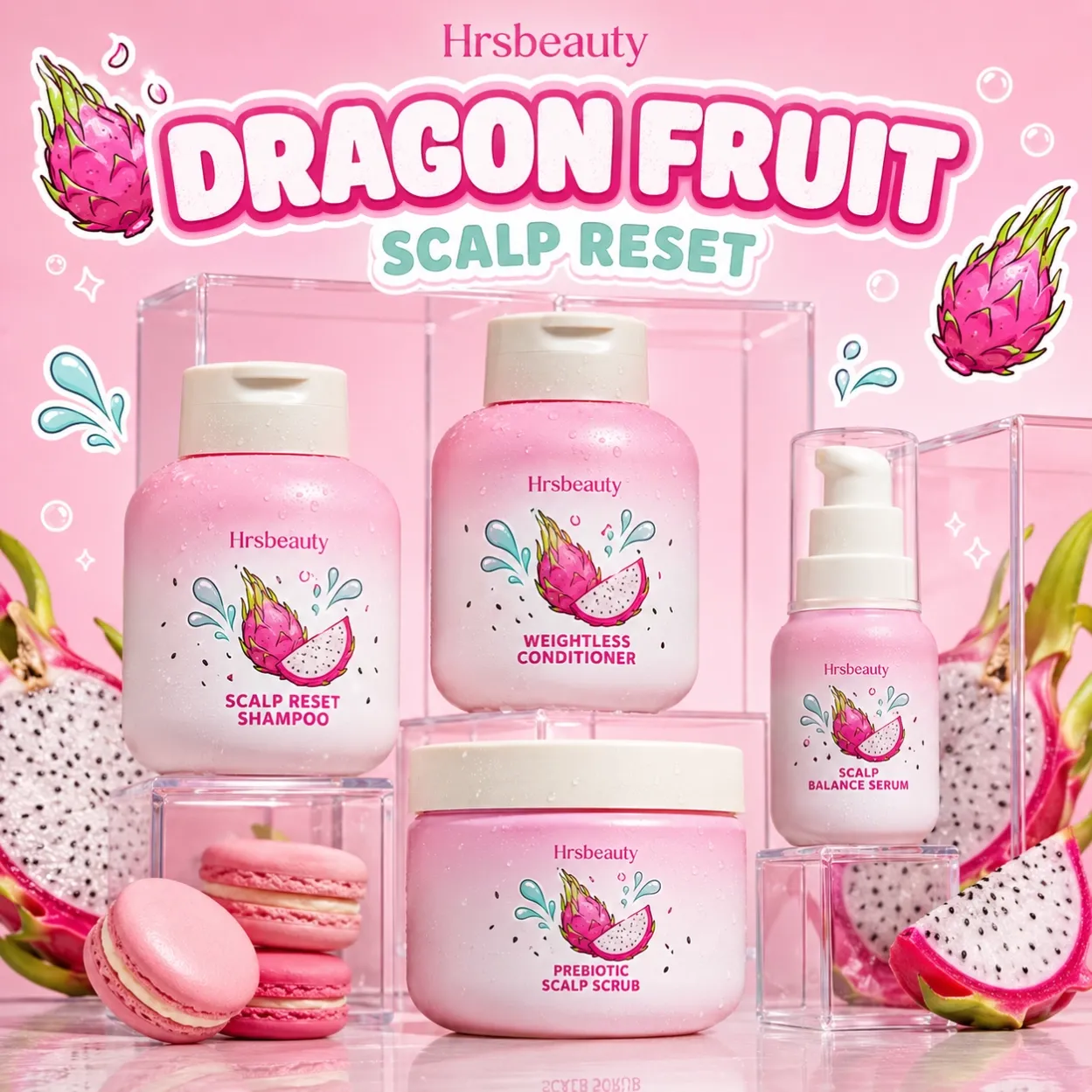
A serum can lead to a three-step system:
• gentle scalp-balancing shampoo;
• daily density or comfort serum;
• weekly scalp exfoliating treatment or strengthening mask.
This system structure increases average order value and gives distributors a clearer education story. It also allows one hero serum to support future shampoo, tonic and mask extensions.
OEM CHECKLIST BEFORE SAMPLING
Ask the manufacturer to confirm:
• mature formula, semi-custom or new custom development;
• target texture and fragrance level;
• proposed active specifications;
• packaging compatibility and dose per actuation;
• stability and microbiological testing plan;
• market-specific ingredient and label review;
• MOQ for stock packaging and printed packaging;
• lead time for sample approval and production.
Develop your scalp serum sample. Send your target market, preferred active direction, bottle size and first-order quantity through our contact page (https://www.skinhaircarecosmetic.com/contact). Our OEM/ODM team will recommend a suitable formula route, packaging and sample plan. You can also explore our professional hair care range (https://www.skinhaircarecosmetic.com/products) and High-Shine Hair Gloss Serum (https://www.skinhaircarecosmetic.com/products/private-label-high-shine-hair-gloss-serum-oem).
FAQ
WHAT IS A REALISTIC MOQ FOR A PRIVATE LABEL SCALP SERUM?
Selected mature formulas using in-stock packaging may start from 100 pieces per SKU. Custom formulas, special applicators and printed bottles normally require higher quantities.
CAN A COSMETIC SCALP SERUM CLAIM HAIR GROWTH?
Not safely without considering drug rules and supporting evidence. For a cosmetic project, use appearance, conditioning, scalp-comfort and breakage-reduction language.
WHICH PACKAGING WORKS BEST?
Direct-to-scalp nozzles and controlled droppers are common for 30–100 ml products. The right choice depends on viscosity, dose, leakage testing and how the consumer parts the hair.
HOW LONG SHOULD A BUYER TEST SAMPLES?
Immediate texture and residue can be judged quickly, but repeat-use experience should be reviewed over several weeks. Any long-term performance claim requires a defined test protocol.
SOURCES
• Vogue: The Booming Business of Hair Loss
• FDA: Cosmetics and U.S. Law
• BeautyMatter: The Haircare Trends Set to Define 2026