
When a Repair Treatment Leaves Fine Hair Stiff: A Better Sample Feedback Brief
Turn stiff-feeling repair samples into actionable feedback. Separate dosage, application stage, hair history and formula direction before revising.
JunChun Beauty Editorial Team · Updated 21 October 2026
Direct answer: Record dose, application stage and hair history before requesting a new repair formula. Stiff feel after use is a sample observation; it does not identify one ingredient as the cause.
Describe the hair and routine
Record whether the test hair is fine, bleached, coloured or previously coated with styling product. Keep the treatment stage visible in the notes. A leave-in applied as though it were a rinse-off mask creates a different exposure.
Avoid diagnosing the ingredient from touch
Ask the supplier to review the complete system, including conditioning, film formation and protein-related components where relevant. “Remove all protein” is a formula instruction; it should follow a useful comparison rather than an assumption about every stiff result.
Choose a revision that preserves the product role
If a reduced use amount improves feel but makes distribution difficult, the dispenser or instructions may also need attention. Request a comparison that changes one relevant feature at a time, then repeat the intended routine.
Turn “stiff” into a useful revision request
A useful note reads: “Fine, colour-treated lengths; sample A; approved leave-in amount recorded; dried without added styling cream; ends feel rigid and separate poorly.” Add a photograph and the pack used. Compare it with a second trial using the same preparation and a supplier-approved dose adjustment. Avoid changing shampoo, dose and drying method together, because the cause of the improvement would remain unclear.
Use a product-specific dosing lesson
K18’s current instructions distinguish full-size and mini pump counts. This is evidence that a stroke count belongs to a specific product-pack system, not a universal repair-cream rule. For a JunChun sample, measure the actual output and obtain the approved directions instead of copying another brand’s pump count or waiting time.
Decide whether the change belongs in directions or formulation
If an approved lower amount restores flexibility and still distributes evenly, the next discussion may concern dosage and dispenser output. If smaller amounts leave uneven coverage, request a formulation comparison and application review. If only a different rinse-off route gives the desired finish, evaluate that format as a separate product decision. The goal is a treatment the intended client can use consistently.
A practical buying decision
| Decision point | What to request or compare |
|---|---|
| Application | Document amount and where it was applied. |
| Hair history | Keep damage and prior product use visible. |
| Revision | Change one relevant feature and compare again. |
Product and project route
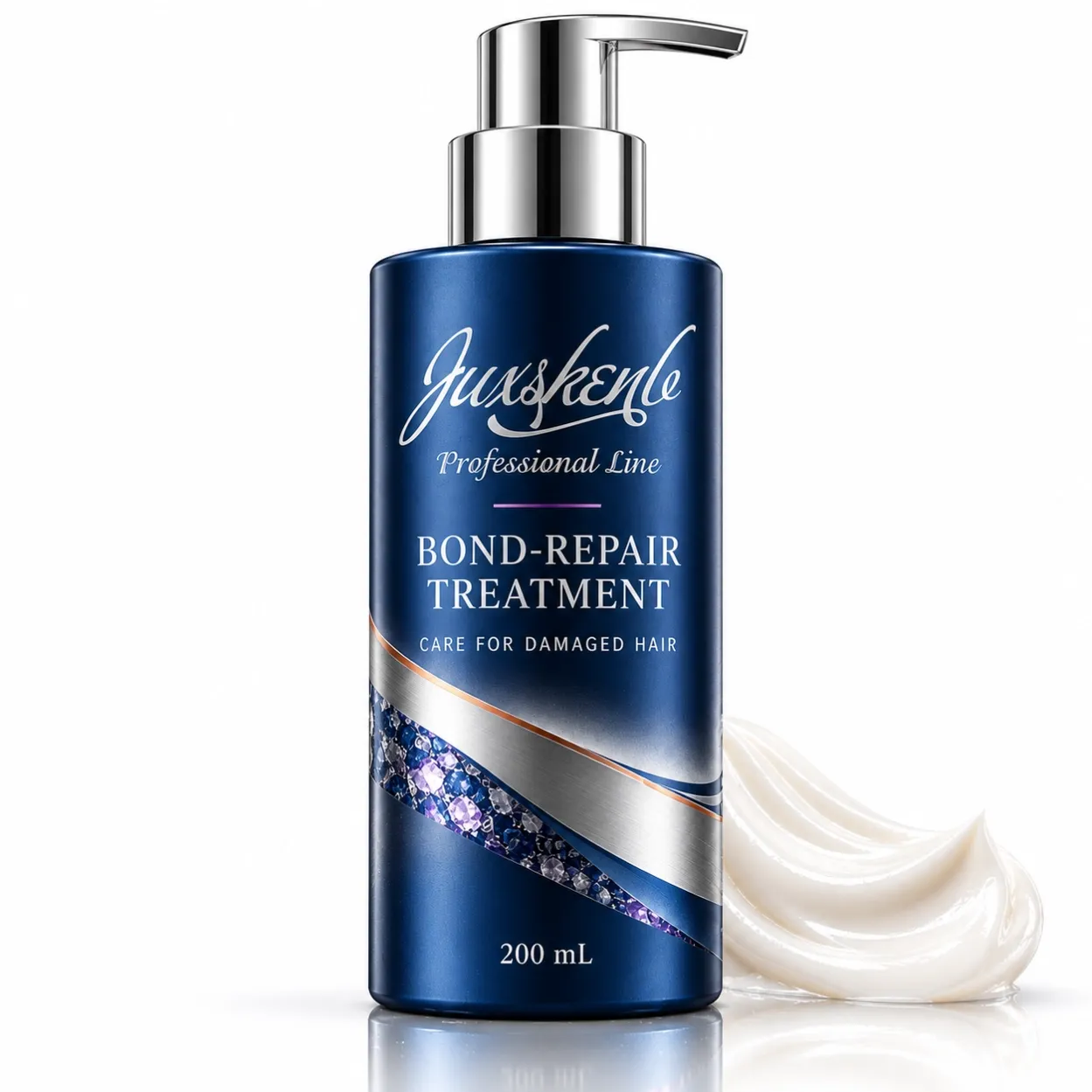
JunChun supports professional hair-care OEM/ODM projects through formula selection, sampling, packaging review and export-project coordination. Start with the Bond-Repair Treatment project and request the sample and documents relevant to your intended product.
Selected mature formulas with qualified stock packaging can start at 100 pieces per SKU. Packaging changes start at 500, subject to actual component and process minimums. Confirm formula revisions, specialist dispensing, decoration and additional assessment separately.
Frequently asked questions
Does stiffness prove protein overload?
No. It is a sensory result with several possible causes and needs a controlled comparison.
Should fine-hair customers receive the same dose as dense curls?
Do not assume so. Develop clear directions around the intended product and user group.
What should I include in a sample enquiry?
Send your hair-type sample group, stiffness description and recorded application amount, destination country and planned quantity. Ask which current samples or development options fit those requirements.
Related products and manufacturing
Request a fine-hair repair sample revision
Send your hair-type sample group, stiffness description and recorded application amount, destination market and quantity. Ask JunChun to identify the best current sample, pack reference and relevant report, and to separate any requested development in the quotation. Send your project brief or email info@junchunbeauty.com.
Sources and scope
- K18: product-specific application guide — Publication date not displayed; checked 2026-10-21.
Evidence checked 21 October 2026. Suggested screens and numerical planning examples are proposals, not reproduced JunChun test results or universal acceptance standards.