
How to Compare Repair-Treatment Samples Without Mistaking Slip for Strength
Compare repair-treatment samples using separate sensory and breakage questions. Keep dose and routine consistent before choosing a small OEM order.
JunChun Beauty Editorial Team · Updated 21 October 2026
Direct answer: Score detangling, softness and strength-related performance separately. Immediate slip is useful, but it does not by itself demonstrate stronger fibres or a particular bond-repair mechanism.
Give each observation a job
Use a salon handling sheet for wet combing, dry movement and visible residue. If a strength claim matters, ask for an appropriate controlled study rather than turning a stylist’s touch assessment into a tensile result.
Compare equivalent routines
Use the intended application directions for each product, recording any differences. A rinse-off conditioner and a concentrated leave-in cannot be fairly compared by applying the same generous amount and then judging which feels heavier.
Make a focused approval decision
Select the sample that fits the intended customer and request the evidence needed for the proposed label. Keep sensory preference and technical substantiation in separate columns. That makes the next supplier conversation about a clear gap rather than an all-purpose “better repair” request.
Use two columns on the sample card
Put “handling” on the left and “strength-related endpoint” on the right. Under handling, record wet detangling, dry flexibility and visible coating against an identified reference. The right column should identify the report, sample version and measured endpoint. Dia-Stron distinguishes tress-combing measurements from single-fibre tensile measurements; the two answer different questions. A useful sample can perform well in both columns, but the observations should remain traceable.
A practical split-tress screen
As a proposed screening exercise, use matched hair tresses with the same damage history and randomise which receives each sample. Keep the wash, water condition, application stage and drying process consistent. Use each product’s approved amount, recording it by mass where possible. Score combing and dry finish separately. Agree the formal study design with the testing provider if the buying decision depends on a numerical claim.
Choose the format that solves the complaint
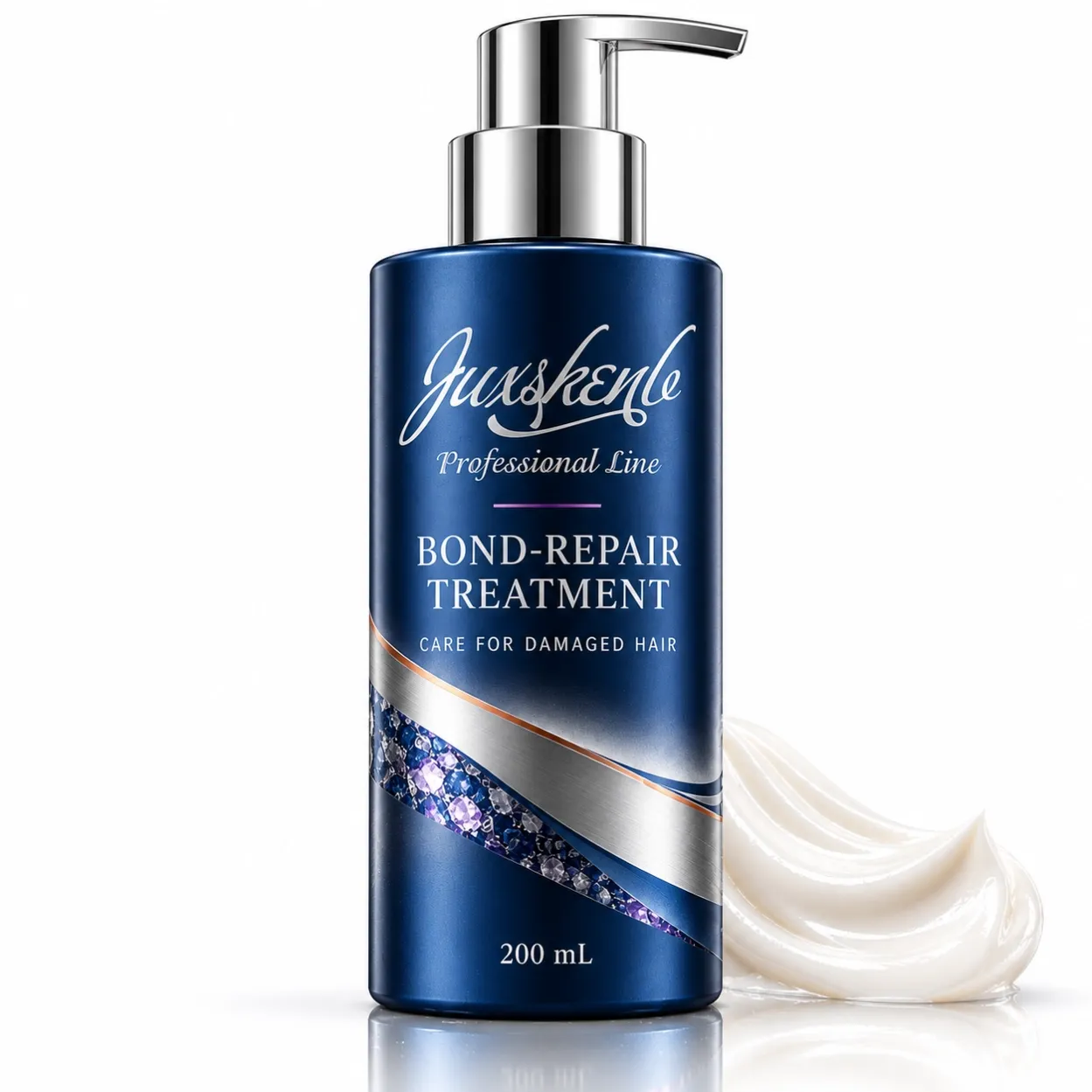
Compare the pump treatment with the Butter Hair Mask when the decision is light distribution versus a richer rinse-off ritual. Do not equalise them by leaving both on the hair. Ask JunChun for the current directions and relevant finished-product reports for the exact sample, then choose the route that gives the desired finish with a practical routine.
A practical buying decision
| Decision point | What to request or compare |
|---|---|
| Feel | Record slip, softness and movement. |
| Strength claim | Request the method, comparator and results. |
| Approval | Match instructions and evidence to the intended offer. |
Product and project route
JunChun supports professional hair-care OEM/ODM projects through formula selection, sampling, packaging review and export-project coordination. Start with the Bond-Repair Treatment project and request the sample and documents relevant to your intended product.
Selected mature formulas with qualified stock packaging can start at 100 pieces per SKU. Packaging changes start at 500, subject to actual component and process minimums. Confirm formula revisions, specialist dispensing, decoration and additional assessment separately.
Frequently asked questions
Is very slippery hair a bad result?
Not necessarily. The question is whether the final feel and residue suit the customer and routine.
Can I publish a strength percentage from salon feedback?
No. A percentage needs a defined measurement and supporting results.
What should I include in a sample enquiry?
Send your target hair condition, intended instructions and proposed repair claim, destination country and planned quantity. Ask which current samples or development options fit those requirements.
Related products and manufacturing
Request a handling-and-strength sample comparison
Send your target hair condition, intended instructions and proposed repair claim, destination market and quantity. Ask JunChun to identify the best current sample, pack reference and relevant report, and to separate any requested development in the quotation. Send your project brief or email info@junchunbeauty.com.
Sources and scope
- Dia-Stron: complementary single-fibre and tress testing — July 2022 URL archive; checked 2026-10-21.
Evidence checked 21 October 2026. Suggested screens and numerical planning examples are proposals, not reproduced JunChun test results or universal acceptance standards.