
Will a Repair Treatment Leave Residue After the Next Wash?
Plan a washout comparison for repair-care samples. Keep cleansing, dose and hair history consistent and distinguish residue from desired conditioning.
JunChun Beauty Editorial Team · Updated 24 October 2026
Direct answer: Evaluate the next wash and subsequent dry feel, not just the treatment-day result. Keep cleanser and application amount consistent so a residue complaint can be traced to the complete routine.
Include the following wash
Record how hair wets, cleanses, rinses and dries after treatment use. The initial slip may be welcome while the later coated feel is not. Give evaluators separate spaces for those observations rather than one overall score.
Use matched conditions
Compare similar hair sections or appropriately matched samples, with the same cleanser and handling. Record additional styling products. If a stronger shampoo is used only for one sample, the result no longer answers the same washout question.
Define acceptable conditioning
The target is not necessarily zero deposition. A conditioning product has a job to do. Ask whether useful softness remains without unacceptable heaviness under the intended routine, then request a revision against the observed imbalance.
Separate washout from repair evidence
Write two questions in the sample form: does the treatment provide the desired condition, and does the next wash leave the desired feel? A positive answer to one does not settle the other. Keep the approved benefit report with the actual formula reference. Ask for existing relevant evidence before commissioning more work; this article proposes a routine screen rather than reporting a JunChun test result.
Build a next-wash comparison sheet
Use the same cleanser, approximate application amount, rinse procedure and styling steps for both candidates. Record treatment-day combing and finish, then next-wash lather, rinse feel and dry movement. Include the evaluator’s usual hair history and other products. If a participant changes shampoo or adds an oil, note it rather than silently treating that observation as a controlled comparison.
Translate the complaint into a revision request
Heavy can mean too much product, a rich formula for the intended hair, or a routine interaction. Ask evaluators where and when they notice the problem: roots, lengths, while wet or after drying. Send those observations with the dose and sample codes. Request a targeted comparison, such as lower perceived richness at the approved amount, rather than asking for an undefined stronger repair product.
Keep the two product formats distinct
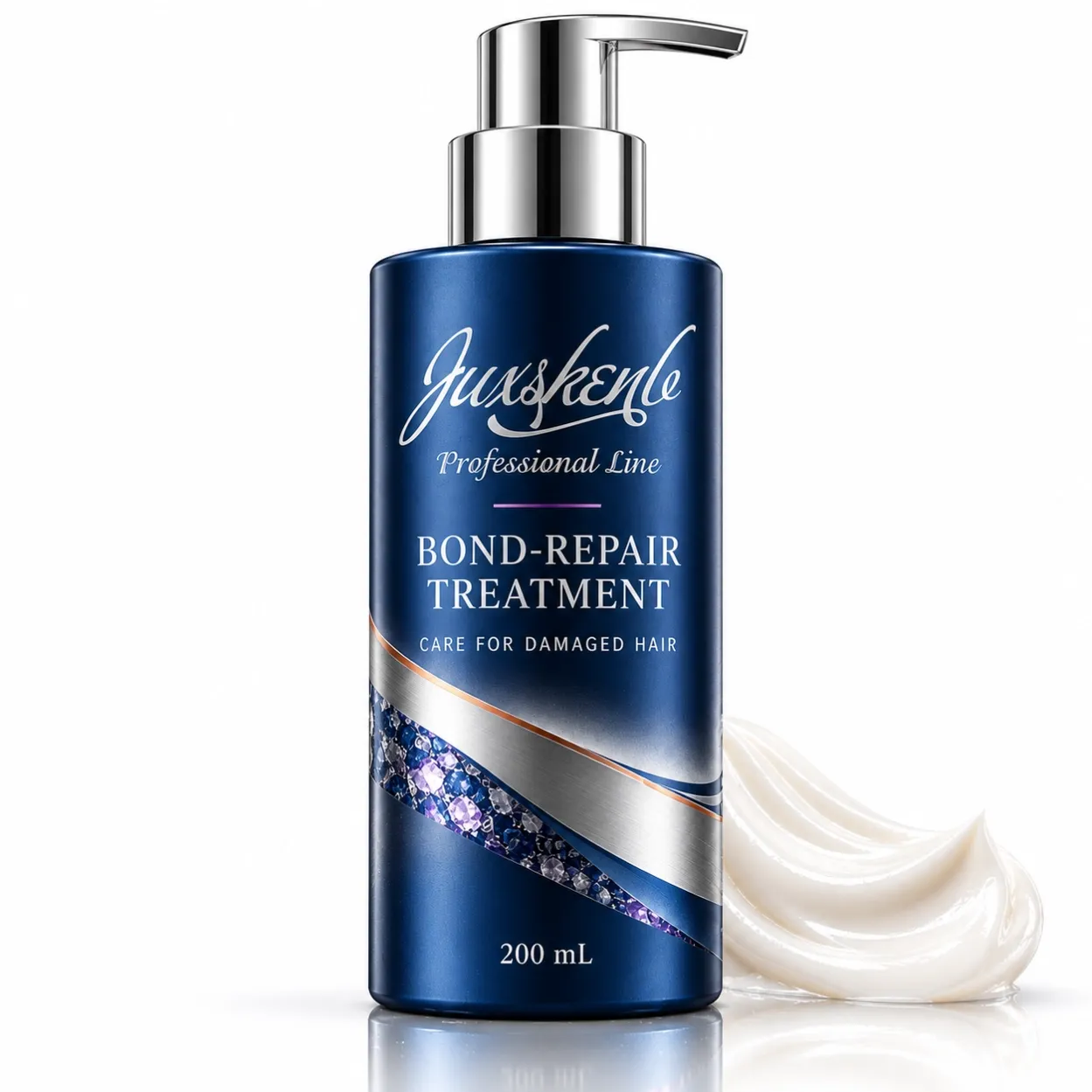
The authorised Bond-Repair image shows a 200 ml pump presentation. The linked small-site product also discusses rinse-off options; confirm which exact sample and directions the buyer is evaluating. Do not infer leave-in use from a pump bottle. If a paired cleanser is proposed, evaluate that routine separately before presenting it as a required step for every treatment customer.
A practical buying decision
| Decision point | What to compare or request |
|---|---|
| Treatment day | Record slip and dose. |
| Next wash | Keep cleansing conditions comparable. |
| After drying | Judge movement and unwanted coating separately. |
JunChun product and sample route
Start with JunChun’s Bond-Repair Treatment. The supplied 200 ml pump is a packaging reference; confirm the intended sample and leave-in or rinse-off directions separately. JunChun can coordinate formula selection, sample comparison, packaging and export-project documentation against a defined brief. Ask for the matching current specification and available supporting reports; identify requested changes and their deliverables separately.
Selected mature formulas with qualified stock packaging may start at 100 pieces per SKU. Packaging changes start from 500 pieces, subject to actual component and process minimums. Confirm formula development, special applicators, decoration and testing separately.
Frequently asked questions
Does washout testing prove molecular repair?
No. It answers a routine and residue question.
Should all retained conditioning feel be removed?
Not automatically. Decide what supports the intended customer’s hair and finish.
What should I include in a sample enquiry?
Send your cleanser, treatment use amount and next-wash residue observation, destination country and planned quantity. Ask which current samples or development options fit those requirements.
Related products and manufacturing
Request a focused sample comparison
Send your cleanser, treatment use amount and next-wash residue observation, target country and planned quantity. Ask which current JunChun sample fits the brief and which requested changes affect scope and cost. Send your project brief or email info@junchunbeauty.com.
Sources and scope
Checked 24 October 2026. Procurement comparisons and suggested evaluation steps are editorial recommendations, not reported test results. Use the selected formula’s relevant reports and approved instructions. Brand examples retain their own evidence scope; no weekly sales-growth or enquiry-uplift claim is made.