
Jun 26, 2026News & Insights
Rosemary Hair Care Is Not a Trend — It’s a Response to a Real Problem**
Let’s be honest. In the Middle East, hair problems are not caused by “bad products.” They are caused by environmental pressure . High temperatures. Dry air. Frequent washing. Daily styling. Hard
Let’s be honest.
In the Middle East, hair problems are not caused by “bad products.”
They are caused by environmental pressure.
High temperatures.
Dry air.
Frequent washing.
Daily styling.
Hard water.
Yet most hair care brands keep selling the same generic promise: “smooth, shiny, soft.”
That message no longer works.
The Real Buyer Pain We See Right Now
Across social platforms and buyer conversations this week, the same issues keep coming up:
- Scalp irritation and itchiness after frequent washing
- Hair fall caused by weakened roots
- Heavy formulas that feel greasy in hot climates
- “Natural” products that don’t actually perform
Consumers are not looking for miracles.
They are looking for balance.
Why Rosemary Makes Sense — Scientifically and Culturally
Rosemary is not a marketing invention.
It has been used for centuries for circulation support, scalp clarity, and strengthening hair from the root.
In a market that values:
- natural ingredients
- functional benefits
- and daily-use practicality
rosemary is not a trend.
It is a logical solution.
Our Product Philosophy
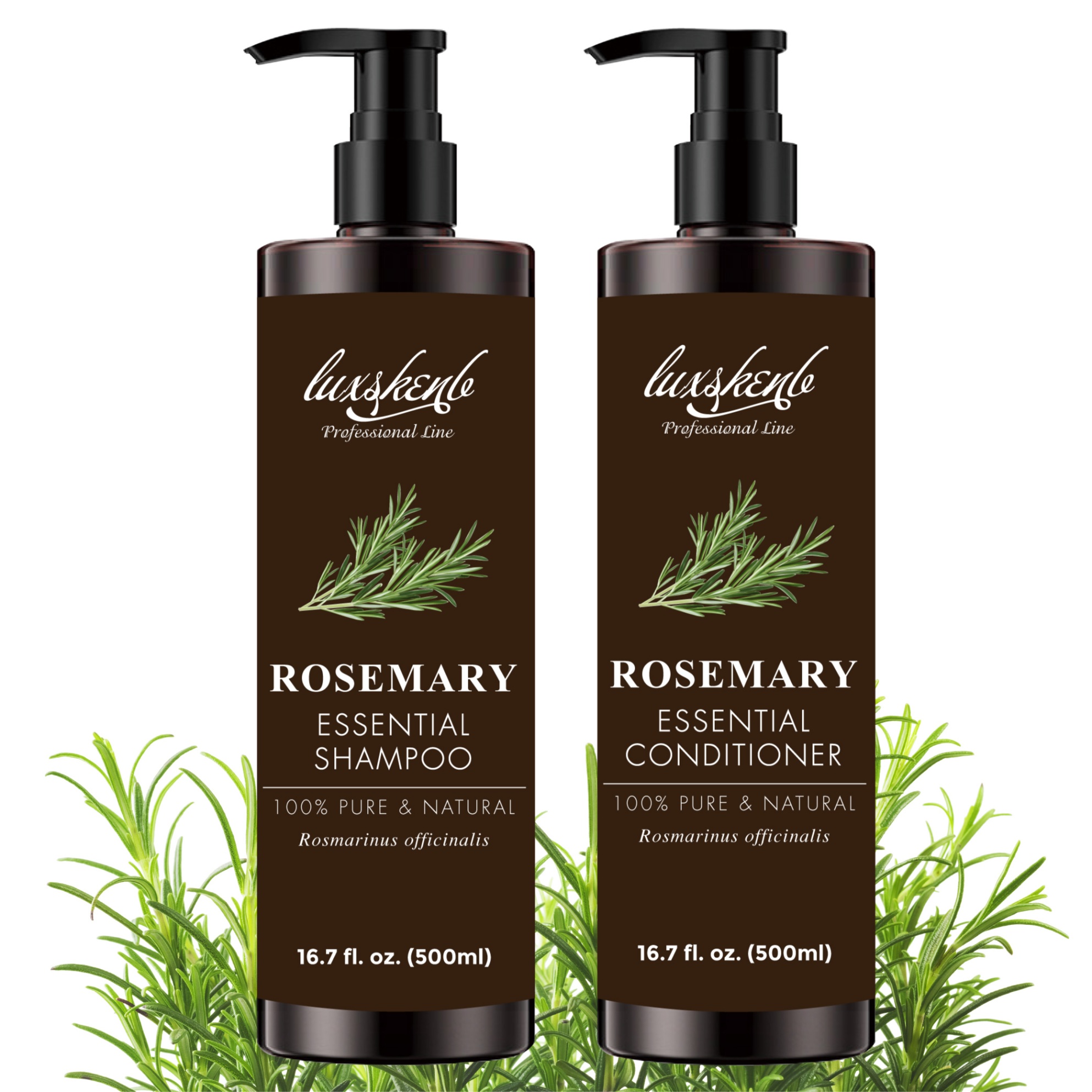
We didn’t design our rosemary shampoo and conditioner to chase buzz.
We designed it to solve three core needs:
- Clean the scalp without stripping it
- Strengthen roots instead of coating hair
- Feel light, fresh, and breathable in hot climates
That’s the difference between a product that sells once
and a product that gets reordered.