
Sep 10, 2026News & Insights
Salon Demo-Ready Hair Treatment OEM: How Buyers Should Evaluate Texture and Rinse Feel
A practical OEM guide for salon buyers evaluating hair-treatment pickup, spread, wet slip, rinse feel, dry finish and claim evidence.
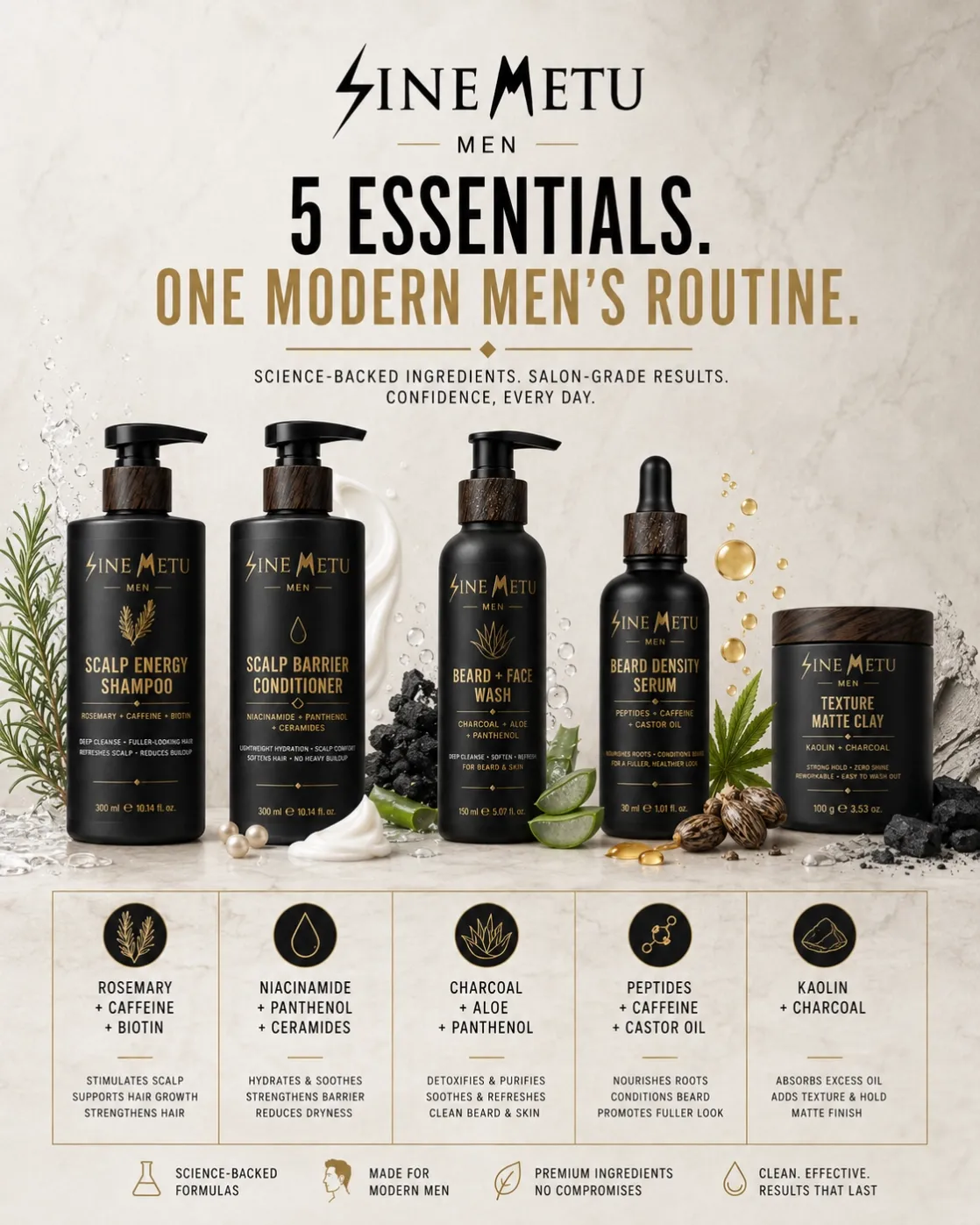
A professional hair treatment is often judged in less than ten minutes: how it scoops or pumps, how evenly it spreads, how the hair feels during detangling, how cleanly it rinses and whether the dry finish matches the intended service. For an OEM buyer, these sensory checkpoints should be part of the product brief—not an informal decision made after the formula is finished.
Beautyworld Dubai 2026 includes beautyLIVE, where professional hair techniques and product performance are demonstrated in front of industry audiences. The commercial lesson is simple: products designed for salon channels must be easy to explain, repeat and evaluate in use.
Start with the service role
Define whether the product is a post-color mask, intensive moisture treatment, hard-water reset step, smoothing service, fast rinse-off conditioner or finishing leave-in. Each role creates a different expectation for texture, contact time, pack size and claims.
A 500–1000 ml backbar mask may need controlled pickup and economical spread. A 250–300 ml retail treatment may prioritize clean dispensing, fragrance experience and simple at-home instructions. Using the same formula story across both sizes can work, but the packaging and usage directions must be designed separately.
Evaluate five sensory checkpoints
Pickup and dispensing
Check whether the viscosity matches the chosen jar, pump or treatment bottle. A rich-looking formula that cannot pass through the pump is not ready for production. Record pump output or scoop amount so salons can estimate service cost.
Spread and coverage
The product should distribute predictably through the target hair type without forcing the stylist to over-apply. Evaluate on relevant hair conditions, such as color-treated, bleached, coarse, curly or fine hair, rather than on one test swatch only.
Wet slip and detangling
Wet slip is easy to demonstrate but should still be scored consistently. Use the same section size, water level, application amount and combing method. Do not turn a sensory score into a breakage-reduction claim unless appropriate testing supports it.
Rinse feel
Some markets prefer a richer coated feel; others want a clean, lightweight finish. Define the target before changing the formula. “Easy rinse” and “lasting nourishment” can pull development in different directions if the buyer has not set a priority.
Dry finish
Assess softness, manageability, shine appearance, residue, volume and fragrance after drying. The result should match the positioning. A repair mask for thick or chemically treated hair may accept more richness than a daily conditioner for warm-climate retail.
Build a repeatable salon scorecard
Use a five-point score for dispensing, spread, wet slip, rinse speed, dry softness, residue, fragrance and overall preference. Add an open comment for what the stylist would change. Keep the formula code, batch, hair condition and application amount on the same sheet so sample feedback is traceable.
When several testers review a sample, ask each person to score independently before discussing it. This reduces group influence and makes differences easier to understand.
Separate demonstration language from label claims
A live demonstration can show visible detangling, spread and finish on that model under those conditions. It does not automatically prove permanent repair, quantified breakage reduction, thermal protection, UV protection or a fixed-duration benefit. These claims should only be used when the formula and test method support them.
Decide the packaging after the texture target
For treatment masks, common options include 300–500 ml retail jars, 500–1000 ml salon jars and treatment bottles or pumps where viscosity allows. Confirm formula compatibility, closure torque, leakage, pump performance and label adhesion before commercial production.
MOQ and customization
MOQ starts from 100 pcs per SKU for selected stable formulas using in-stock bottles. Custom formulas, colors, fragrances, and packaging are quoted based on project requirements. Professional service systems and special packaging should be evaluated according to the actual brief.
Buyer takeaway
The best salon sample is not simply the richest formula. It is the formula whose use method, sensory target, packaging and claim boundaries are all clear enough for different stylists to evaluate in the same way.
FAQ
What should a salon test first in a hair mask sample?
Start with dispensing, spread, wet slip, rinse feel, dry softness, residue and fragrance. Use the same application conditions for each comparison.
Can one treatment formula use both retail and salon packaging?
Often yes, but each pack should be checked for viscosity, dispensing, label space, leakage and channel-specific instructions.
Can sensory testing support heat-protection or breakage claims?
No. Sensory evaluation supports preference and use-experience decisions. Performance claims require suitable testing for the final formula.