
Scalp Scaler Samples: A Practical Rinse-Off Evaluation Checklist
Compare scalp scaler samples with a practical buyer checklist for dosing, rinse residue, comfort, packaging compatibility and low-MOQ formula selection.
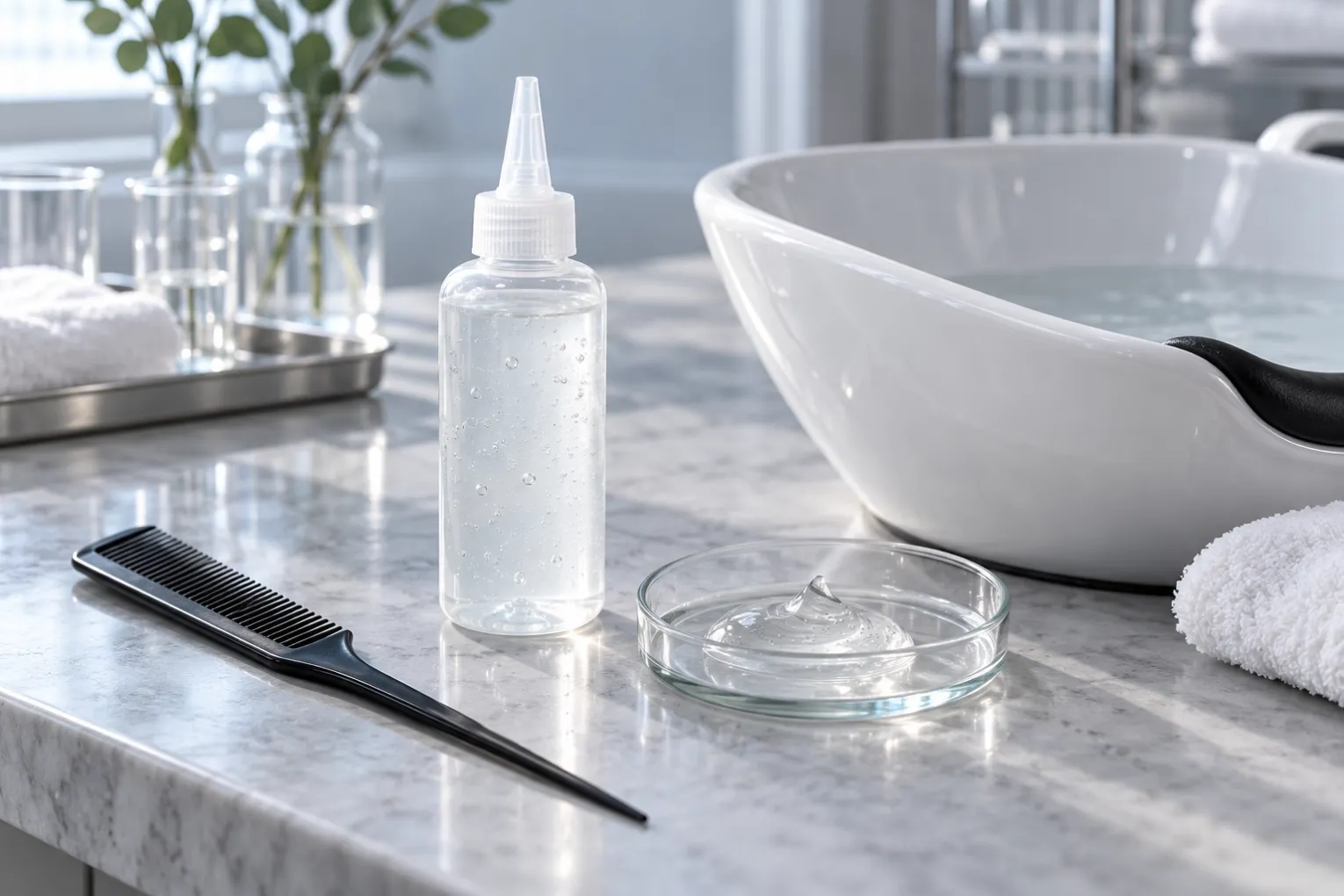
How should buyers compare scalp scaler samples? Use the same dose, contact time and shampoo follow-up, then compare application control, rinse residue and user comfort. Review the finished formula and package together. A dramatic cooling sensation or a long ingredient list is not an acceptance criterion.
Why this format deserves a closer look
Cosmetics Business, published 7 October 2026, identifies pre-shampoo scalp scalers as an emerging format. This is an editorial category signal, not proof of sales or efficacy. For a small brand, the practical opportunity is a clearly explained pre-wash step.
Write a sample brief that removes ambiguity
Specify the destination, target user, scalp concern, hair density, protective-style use, expected wash frequency and preferred application method. Ask the supplier to identify the sample version and provide its ingredient list, intended directions and available quality information. Do not test a leave-on serum as if it were a rinse-off scaler.
Control the use conditions
The following is a proposed buyer screening method, not a validated clinical or standardized efficacy test. Use the supplier-approved directions. Compare samples on equivalent hair/scalp conditions and record styling-product exposure, dose, contact time, water conditions, rinse duration and follow-up shampoo. Change one factor at a time.
| Check | What to record | Procurement implication |
|---|---|---|
| Application | Flow through the nozzle, spreading and unwanted run-off | Adjust viscosity or applicator if dosing is inconsistent |
| Rinsing | Rinse effort, film, tack and root appearance after drying | A sample that leaves residue needs further review |
| Experience | Comfort during and after use; any irritation | Stop use if irritation occurs and obtain a professional safety review |
| Routine fit | Ease of adding the step before the usual wash | Long or confusing directions may reduce actual use |
Review the formula rather than copying an acid percentage
Ask which ingredient system is doing which job: cleansing, exfoliating, conditioning or fragrance. Concentration alone cannot establish the final experience. The agreed pH, ingredient interactions, use duration and finished-product safety assessment must fit the selected route. A buyer sensory trial cannot replace microbiological, stability or safety work.
Do not equate a cool feeling with scalp health, visible flakes with a single cause or ingredient presence with microbiome benefits. Keep public wording tied to supported cosmetic outcomes such as removing styling buildup or a refreshed feel.
Approve the bottle alongside the gel
Test the final nozzle, closure and fill size for leakage, controlled dispensing and repeat use. A convenient bottle with the wrong flow can undermine the product. Confirm whether the demonstrated sample package is the actual available production pack.
For eligible mature formulas and compatible in-stock bottles, a selected 100-piece route may be available. Acid-system changes, new applicators, custom bottle colors and special printing require individual MOQ and validation review.
FAQ
Is a scalp scaler the same as a clarifying shampoo?
No. This article covers a pre-wash rinse-off step; a clarifying shampoo is used in the wash step. Judge their roles separately.
Can cooling prove that the product works?
No. Sensation does not establish cleansing performance or a health benefit.
Can a small user trial support clinical claims?
No. It can guide sample selection. Claims need an appropriate substantiation plan.
Review the pre-wash route
Compare our pre-wash scalp detox gel direction with the scalp-balance wash and treatment set. Send a scalp-scaler sampling brief with your target market, directions, bottle preference and proposed quantity.