
Heat-Care Milk or Spray: Choose by Application Control
Compare a heat-care milk and spray by distribution, handling and user dose. Choose the format around a defined styling-prep routine.
JunChun Beauty Editorial Team · Updated 23 October 2026
Direct answer: Choose a milk when hand distribution and targeted lengths application suit the routine; choose a spray when its actual pattern gives suitable coverage. The format does not establish a protection temperature or an automatic performance advantage.
Watch the application sequence
Observe how a tester sections hair, dispenses product and reaches the lengths. A milk may be easy to see in the hand but unevenly spread. A spray may cover quickly but deposit more product in one area. Judge the complete action.
Keep the styling result separate
After the intended routine, score dry feel, movement and manageability. If the buyer needs a protection claim, request the relevant technical assessment separately. A good blow-dry finish is not an instrumented thermal-protection report.
Select a manageable first pack
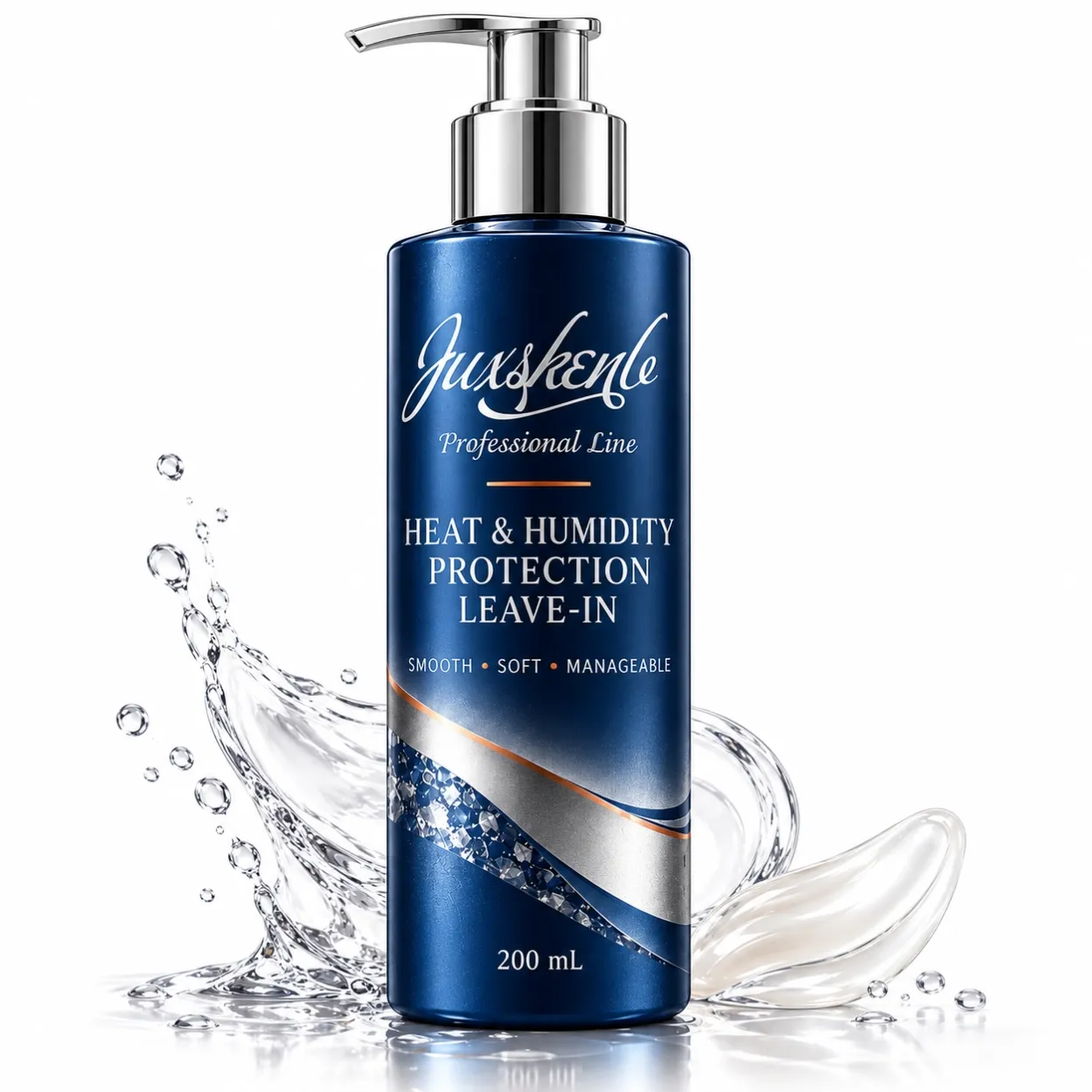
A 200 ml pump-bottle project is an existing JunChun reference. A requested spray version is a separate formula-pack proposal that needs confirmation. Choose the format your target customer can apply consistently before discussing a second format.
Compare amount, then compare the pack
A pump stroke and a spray stroke are different units. For an internal comparison, have the team weigh the dispensed amount and record how many actions produced it. Use the same hair preparation, sectioning and styling sequence. This separates a formula that feels rich from a pack that simply dispenses too much. Keep a second record of the amount people use naturally, because a controlled laboratory dose and an intuitive retail dose can differ.
Use a small comparison grid
Record four observations for each sample: ease of dispensing, distribution through the lengths, dry movement and willingness to use it again. For fine hair, ask whether the ends remain separated and whether the user adds extra product to reach missed areas. For dense hair, ask whether reaching the interior takes too many actions. These are suggested screening questions; agree the scoring and acceptance criteria with your project team.
Decide what a spray conversion actually includes
Request the proposed formula and spray assembly together. A current pump milk cannot be assumed to atomise through a fine-mist head, and thinning it can alter the finish and application amount. Include actuator output, dip-tube length, restarts and the filled-bottle experience in the proposal. If the existing pump produces reliable coverage and acceptable dry feel, launch that route first and reserve a spray version for a demonstrated customer need.
Write instructions around the chosen sample
The use stage belongs to the formula. K18’s published guide, dated 8 August 2025, distinguishes towel-dried application before blow-drying from dry-hair application before hot tools source. Treat it as an example of clear product-specific directions. For your own sample, confirm placement, amount, distribution and when styling begins with JunChun. The label should describe the approved product in the consumer’s hands, rather than borrowing another brand’s routine.
A practical buying decision
| Decision point | What to request or compare |
|---|---|
| Milk | Evaluate hand spreading and controlled placement. |
| Spray | Evaluate the actual coverage and overspray. |
| Both | Confirm the intended use and claim evidence. |
JunChun product and sample route
Start with JunChun’s Heat & Humidity Care Leave-In, a 200 ml pump-bottle reference for a professional leave-in project. Share the customer’s hair profile, styling sequence and preferred dry finish. JunChun can connect formula selection, sample comparison, packaging review and export-document coordination around that brief. Use the selected formula’s relevant evidence and final directions when agreeing the label.
Selected mature formulas with qualified stock packaging start from 100 pieces per SKU. Packaging changes start from 500, subject to component and process; formula changes and specialist packaging are confirmed separately. Compare the eligible current route with the requested changes at the same quantity.
Frequently asked questions
Can a pump milk be poured into a mist bottle?
Do not assume so. Formula flow, spray behaviour and component compatibility need assessment.
Does more visible product mean better coverage?
Not necessarily. Record application amount and evaluate distribution rather than appearance alone.
What should I include in a sample enquiry?
Send your styling-prep routine, preferred milk or spray format and target hair type, destination country and planned quantity. Ask which current samples or development options fit those requirements.
Related products and manufacturing
Request a focused sample comparison
Send your styling-prep routine, preferred milk or spray format and target hair type, destination country and planned quantity. Ask JunChun which current sample fits the brief and what your requested changes add to the project. Send your project brief or email info@junchunbeauty.com.
Sources and scope
- K18: HeatBounce application guide — 2025-08-08; checked 2026-10-23.
Sources checked 23 October 2026. Comparisons and procurement steps are editorial recommendations; brand and ingredient examples retain their own formula and study scope. Match the selected JunChun sample to its relevant project information and reports.