
Heat-Care Outlook: A Useful Routine Beats Another Temperature Headline
Assess the heat-care opportunity for a small hair brand. Compare a useful styling routine, sample feel, supporting evidence and the first-order commitment.
JunChun Beauty Editorial Team · Updated 23 October 2026
Direct answer: A small heat-care brand should choose the intended claim and evidence budget before approving packaging. A temperature printed on a styling tool is not proof that a proposed leave-in protects hair at that temperature.
Observed facts: prevention and distinct product roles
Cosmetics Business’s 7 October 2026 overview discusses a shift toward preventative hair care source. Primary brand examples show different styling roles: e.l.f.’s June 2026 launch included an oil and an anti-frizz spray source, while K18 publishes instructions specific to its heat protectant source. These are dated editorial and assortment signals, not proof of this week’s sales growth.
Our outlook: make the routine easier to understand
The opportunity for a small brand is a precise preparation or finishing task that customers can recognise. We expect a clear application story, acceptable dry feel and evidence matched to the selected formula to create a stronger buying proposition than a temperature number alone. This is an editorial commercial hypothesis; it should be tested through sample feedback, qualified enquiries and the buyer’s own channel results.
Uncertainty: attention does not establish a winning first SKU
No verified Google Trends time series, audited Amazon category growth or representative negative-review sample was obtained for this update. Product visibility does not tell us which proposed formula will sell in your market. Define a pilot budget and success criteria around your own customer group, then compare sample usability and total order exposure before expanding the range.
Start with one customer task
Choose the person and the occasion before selecting the headline. A small salon brand may want easier detangling before a blow-dry; an online styling brand may need a product used before a defined hot-tool routine. List the current complaint, the preferred dry finish and what the customer already applies. That gives the sample comparison a concrete purpose and stops a first launch from becoming several loosely related claims.
Put two launch routes on the same page
Compare an eligible mature-formula route with the requested changes. Keep the pack, quantity and target market visible in both quotations. A fragrance adjustment, different dispenser or new performance claim can change the work involved, even when the order remains small. Ask for the sample reference, available supporting reports and the total project scope before paying for printed components. This is a useful procurement comparison, not a prediction that one route always costs less.
Set a decision that a pilot can answer
Use the first comparison to decide whether customers can apply the product consistently and explain why it belongs in their routine. Collect specific comments about heaviness, tangling, drying and the feel of the lengths. Pair that feedback with the relevant technical evidence for the selected formula. The outlook improves if the product solves an identifiable task at a viable landed cost; social attention alone cannot establish that.
A practical buying decision
| Decision point | What to request or compare |
|---|---|
| Use case | Define blow-drying or the intended hot-tool routine. |
| Evidence | Request the exact formula and relevant report scope. |
| Packaging | Approve claim wording only after evidence review. |
JunChun product and sample route
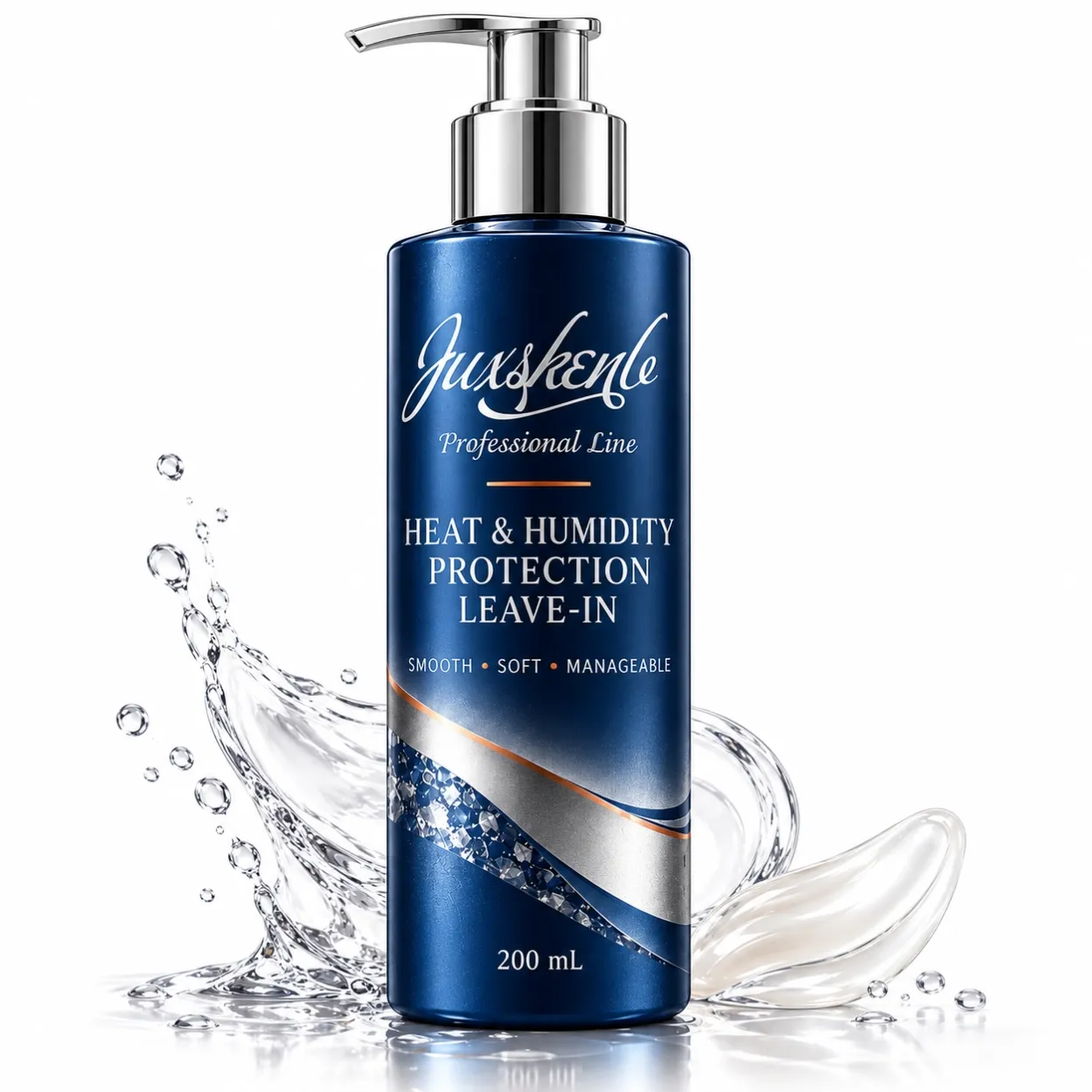
Start with JunChun’s Heat & Humidity Care Leave-In, a 200 ml pump-bottle reference for a professional leave-in project. Share the customer’s hair profile, styling sequence and preferred dry finish. JunChun can connect formula selection, sample comparison, packaging review and export-document coordination around that brief. Use the selected formula’s relevant evidence and final directions when agreeing the label.
Selected mature formulas with qualified stock packaging start from 100 pieces per SKU. Packaging changes start from 500, subject to component and process; formula changes and specialist packaging are confirmed separately. Compare the eligible current route with the requested changes at the same quantity.
Frequently asked questions
Can a supplier ingredient brochure substantiate my 230°C label?
Not by itself. The final product, use amount and relevant test conditions must support the claim.
Must a heat-care product feel oily?
No. Sensory preference and protection performance are separate development criteria.
What should I include in a sample enquiry?
Send your intended styling method, desired claim and acceptable leave-in feel, destination country and planned quantity. Ask which current samples or development options fit those requirements.
Related products and manufacturing
Request a focused sample comparison
Send your intended styling method, desired claim and acceptable leave-in feel, destination country and planned quantity. Ask JunChun which current sample fits the brief and what your requested changes add to the project. Send your project brief or email info@junchunbeauty.com.
Sources and scope
- Cosmetics Business: October hair-care trend overview — 2026-10-07; checked 2026-10-23.
- K18: HeatBounce application guide — 2025-08-08; checked 2026-10-23.
- e.l.f. Beauty: six-product haircare launch — 2026-06-15; checked 2026-10-23.
Sources checked 23 October 2026. Comparisons and procurement steps are editorial recommendations; brand and ingredient examples retain their own formula and study scope. Match the selected JunChun sample to its relevant project information and reports.